
Cankerworm (Inchworm)
Alsophila pometaria / Paleacrita vernata
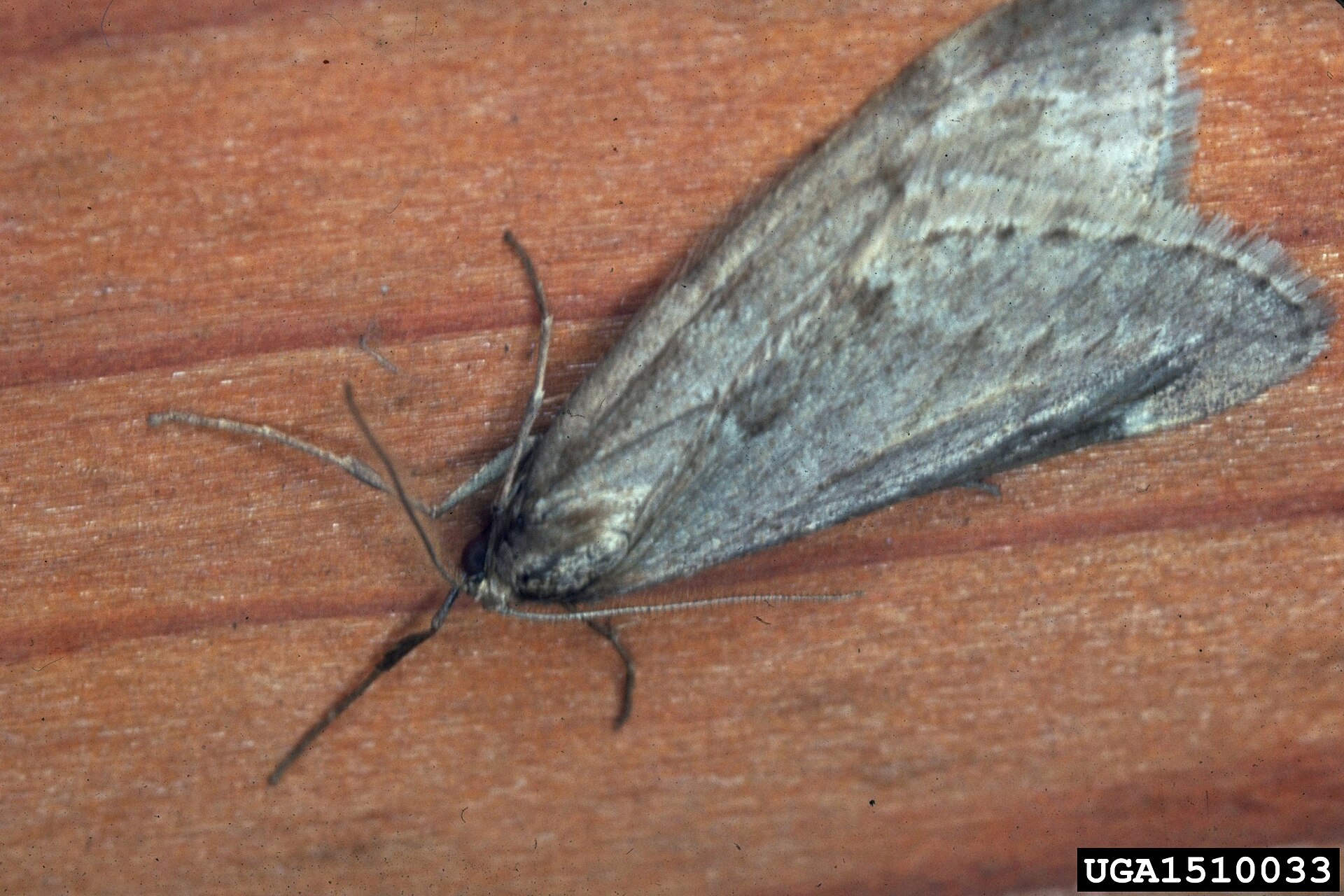
Range: Eastern and central United States and southern CanadaSee it on the alert map
Symptoms & signs
- Looping 'inchworm' caterpillars dangling on silk threads in spring
- chewed, shot-hole, then skeletonized leaves
- light to severe spring defoliation across the canopy
- frass raining down onto cars and walks
- wingless females climbing trunks to lay eggs (fall cankerworm in autumn, spring cankerworm late winter)
Treatment & management
- Sticky trunk bands intercept the wingless females climbing to lay eggs (apply for fall and spring forms at the right times)
- Btk or a registered insecticide on young larvae during spring feeding
- Healthy shade trees tolerate occasional defoliation and refoliate
- repeated heavy years on stressed trees warrant intervention
- Support vigor with water and mulch
Host species
Northern Red OakQuercus rubraRed MapleAcer rubrumAmerican ElmUlmus americanaAmerican BeechFagus grandifoliaAmerican Linden (Basswood)Tilia americanaWillow OakQuercus phellosScarlet OakQuercus coccineaCommon HackberryCeltis occidentalisBlack CherryPrunus serotinaShumard OakQuercus shumardiiFreeman MapleAcer × freemaniiSlippery ElmUlmus rubraWinged ElmUlmus alata
Common questions
What are the little green worms hanging from my tree on threads?
Those dangling 'inchworms' are cankerworms, looping caterpillars that chew expanding spring leaves and lower themselves on silk. Light years are cosmetic; heavy ones can defoliate the canopy.
Do sticky bands on the trunk actually help?
Yes — the females are wingless and must crawl up the trunk to lay eggs, so a properly timed sticky band intercepts them and reduces the next generation. Bands must be set for both fall and spring forms.
Related pests
Tree Nerd Academy
Ready to sit the ISA Certified Arborist exam?
Video curriculum, flashcards, and exam-sim built by working arborists.