
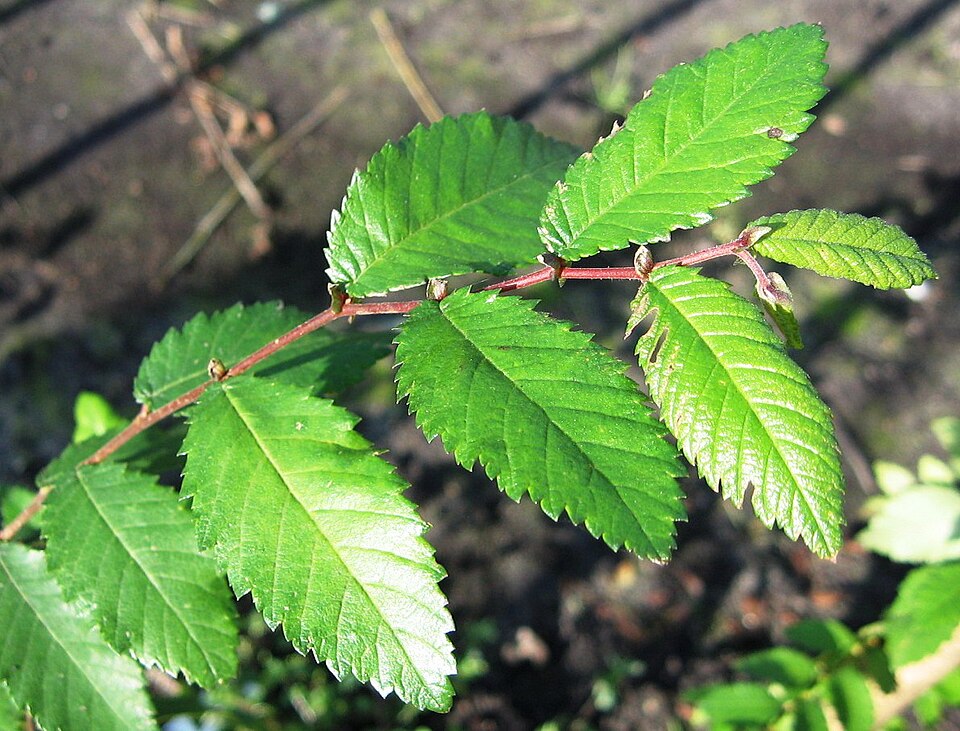
Winged Elm
Ulmus alata
A smaller native elm named for the conspicuous corky wings that flank its twigs, common on dry uplands and old fields across the South. Tough and drought-tolerant with a dense, twiggy crown; susceptible to Dutch elm disease and a frequent host of cankerworms and mistletoe.
Field reference
Family
Ulmaceae
Growth rate
Moderate
Mature size
30–50 ft tall, 30–40 ft spread
Hardiness zone
6–9
Soil preference
Adaptable — dry rocky uplands to moist bottomlands; tolerates poor soil
Sun
Full sun
Pruning window
Dormant season (winter) to avoid attracting elm bark beetles
Wood properties
Hard, tough, interlocked elm wood resisting splitting. Strong limbs; the corky 'wings' along twigs are the unmistakable field ID.
Native range
Southeastern and south-central United States, Virginia to Florida and west to Texas
Green weight
53 lb/ft³
Pests & diseases to watch
Common questions
What are the corky ridges on my elm's twigs?
Those flattened corky 'wings' running along the twigs are the signature feature of winged elm, giving the species its name. They are normal growth and a reliable identification cue.
Is winged elm a good landscape tree?
It is tough and drought-tolerant for naturalized and large sites, but its dense twiggy habit, susceptibility to Dutch elm disease, and tendency to seed in make it more a wild-area tree than a manicured specimen.
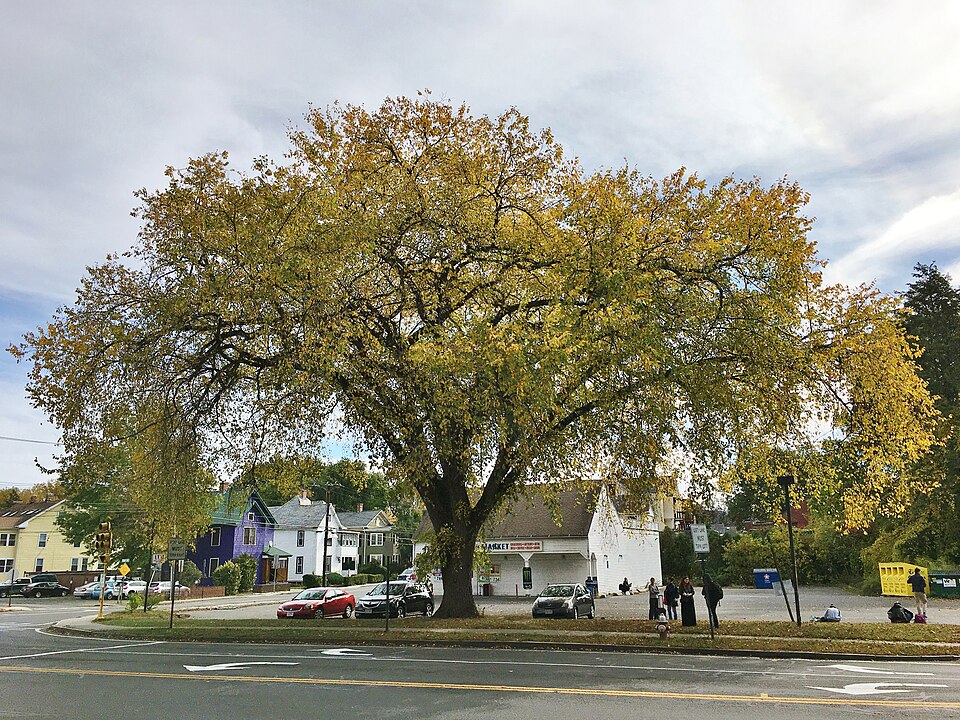
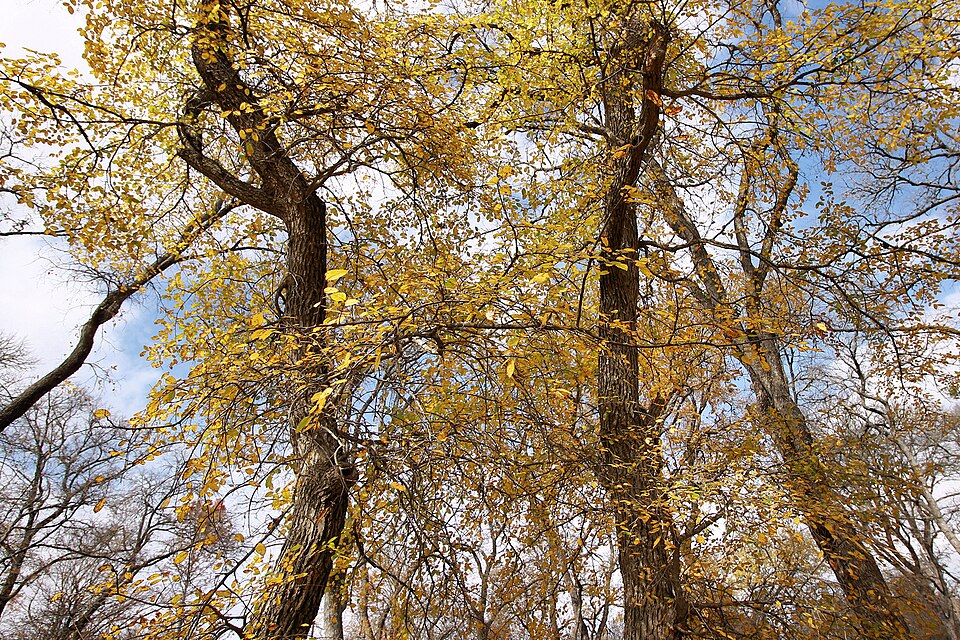
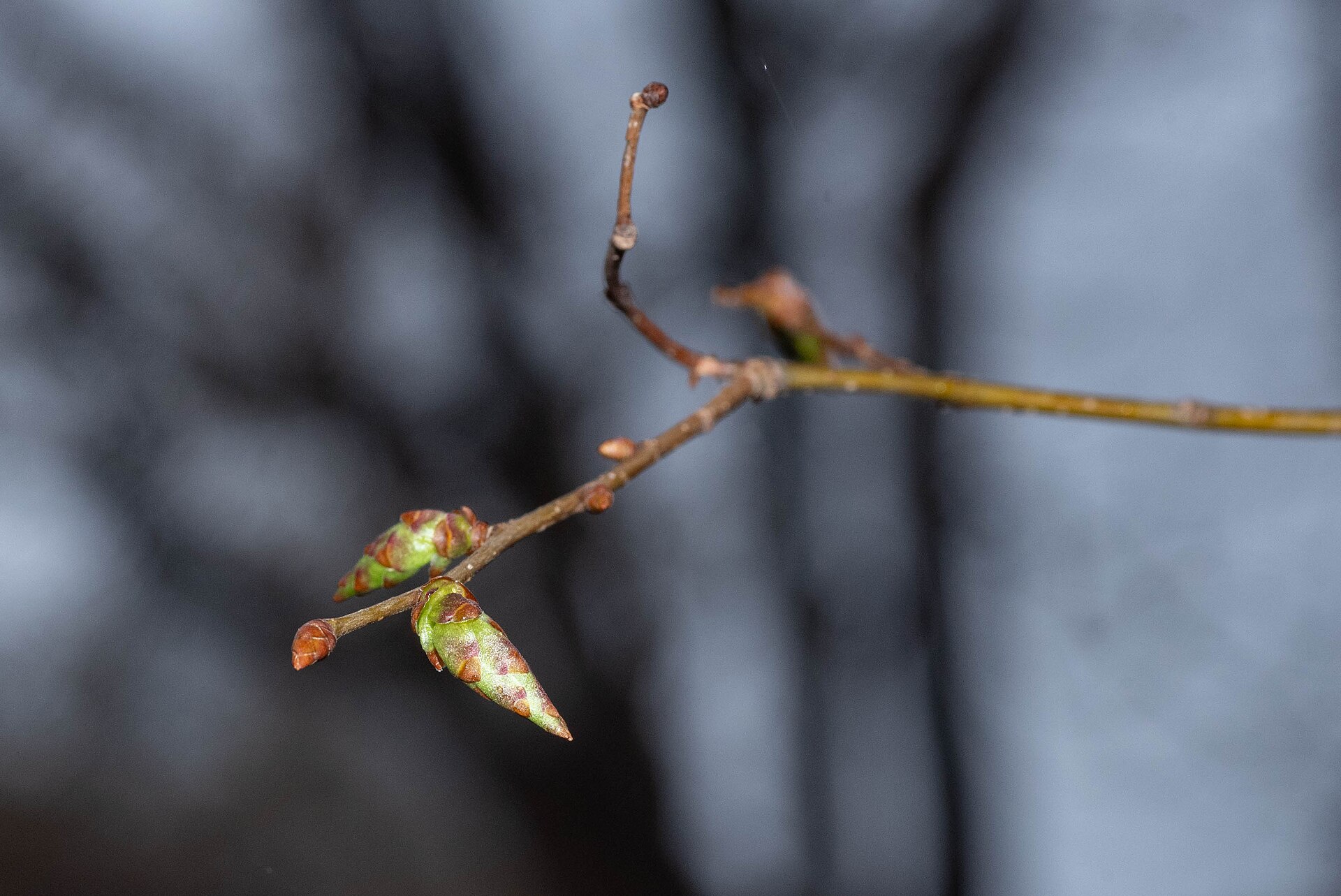
Related species in Ulmaceae
Tree Nerd Academy
Ready to sit the ISA Certified Arborist exam?
Video curriculum, flashcards, and exam-sim built by working arborists.