
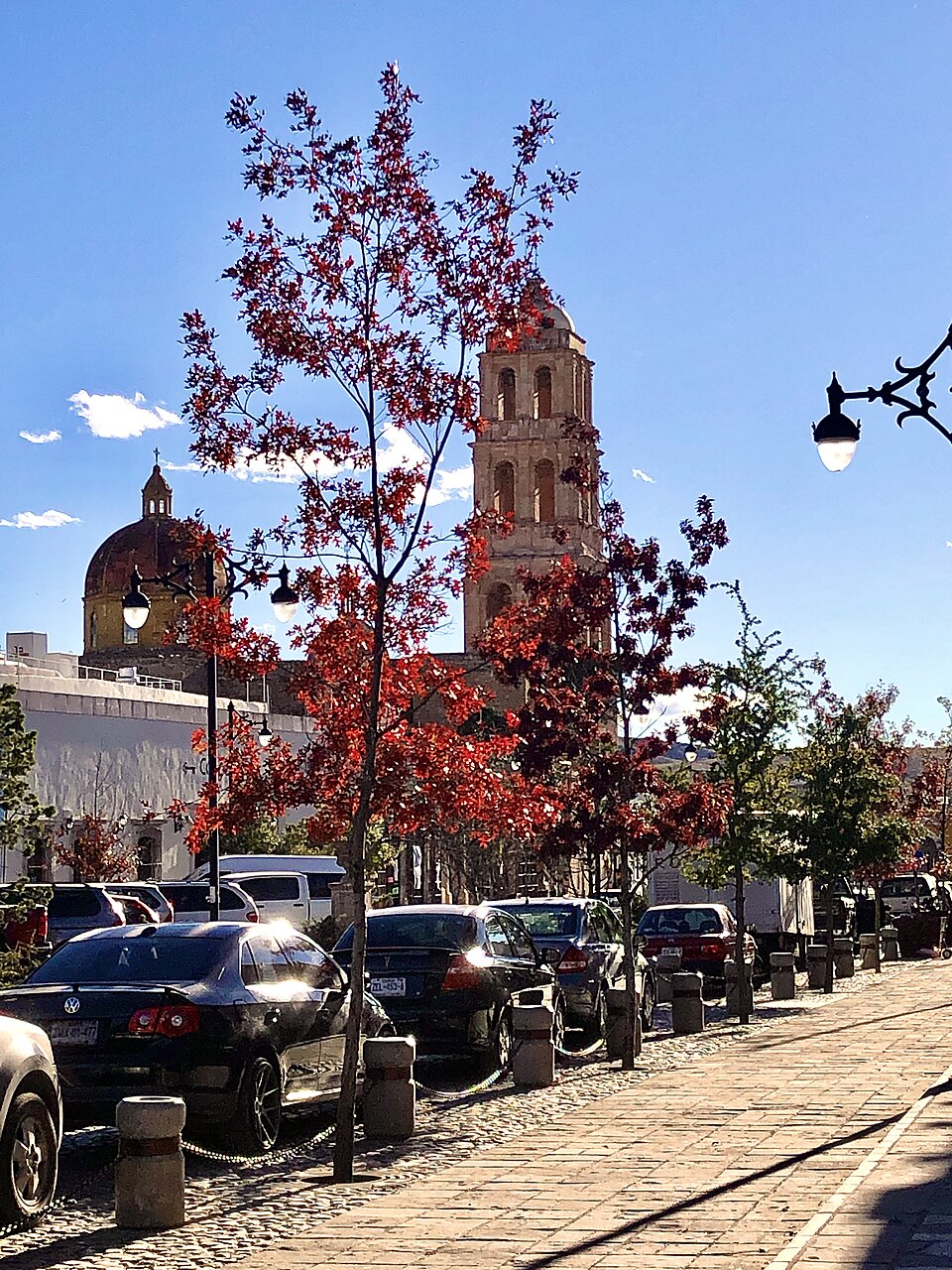
Shumard Oak
Quercus shumardii
A fast, heat- and clay-tolerant red oak increasingly planted as a durable street and shade tree across the South and lower Midwest, with deep-cut glossy leaves and reliable red fall color. Often confused with pin and Nuttall oak; it sheds lower limbs cleanly to a strong central leader.
Field reference
Family
Fagaceae
Growth rate
Fast
Mature size
40–60 ft tall, 40–60 ft spread
Hardiness zone
5–9
Soil preference
Deep, moist, well-drained bottomland soils; tolerates clay, drought, and urban pH once established
Sun
Full sun
Pruning window
Mid-winter (dormant); never April–July in oak-wilt regions
Wood properties
Heavy, strong red-group oak (~0.60 SG) sold as red oak. Sound limb wood, but big laterals carry far and load fast in negative rigging.
Native range
South-central and southeastern United States, from the Mississippi Valley east to the Carolinas
Green weight
63 lb/ft³
Pests & diseases to watch
Oak Wiltfungus · Severe severity · peak Spring and early summer (high infection risk from fresh wounds April–July)Spongy Moth (formerly Gypsy Moth)pest · High severity · peak Caterpillars feed and defoliate May–June; egg masses laid mid-summer overwinterBacterial Leaf Scorchdisease · High severity · peak Symptoms most visible mid-summer to fall (July–October)Cankerworm (Inchworm)pest · Moderate severity · peak Larvae feed and defoliate in spring (April–May) as leaves expandArmillaria Root Rotfungus · High severity · peak Decline visible in summer drought stress; honey mushrooms appear in fall
Common questions
How do I tell Shumard oak from pin oak?
Shumard oak grows larger, lacks pin oak's drooping lower limbs and dead 'pin' branchlets, and tolerates higher-pH soils. Pin oak often yellows (chlorosis) on alkaline ground where Shumard stays green.
Is Shumard oak a good street tree?
Yes — it tolerates clay, heat, drought, and compacted urban soil better than many oaks, and keeps a strong central leader. Keep to dormant-season pruning where oak wilt is present.
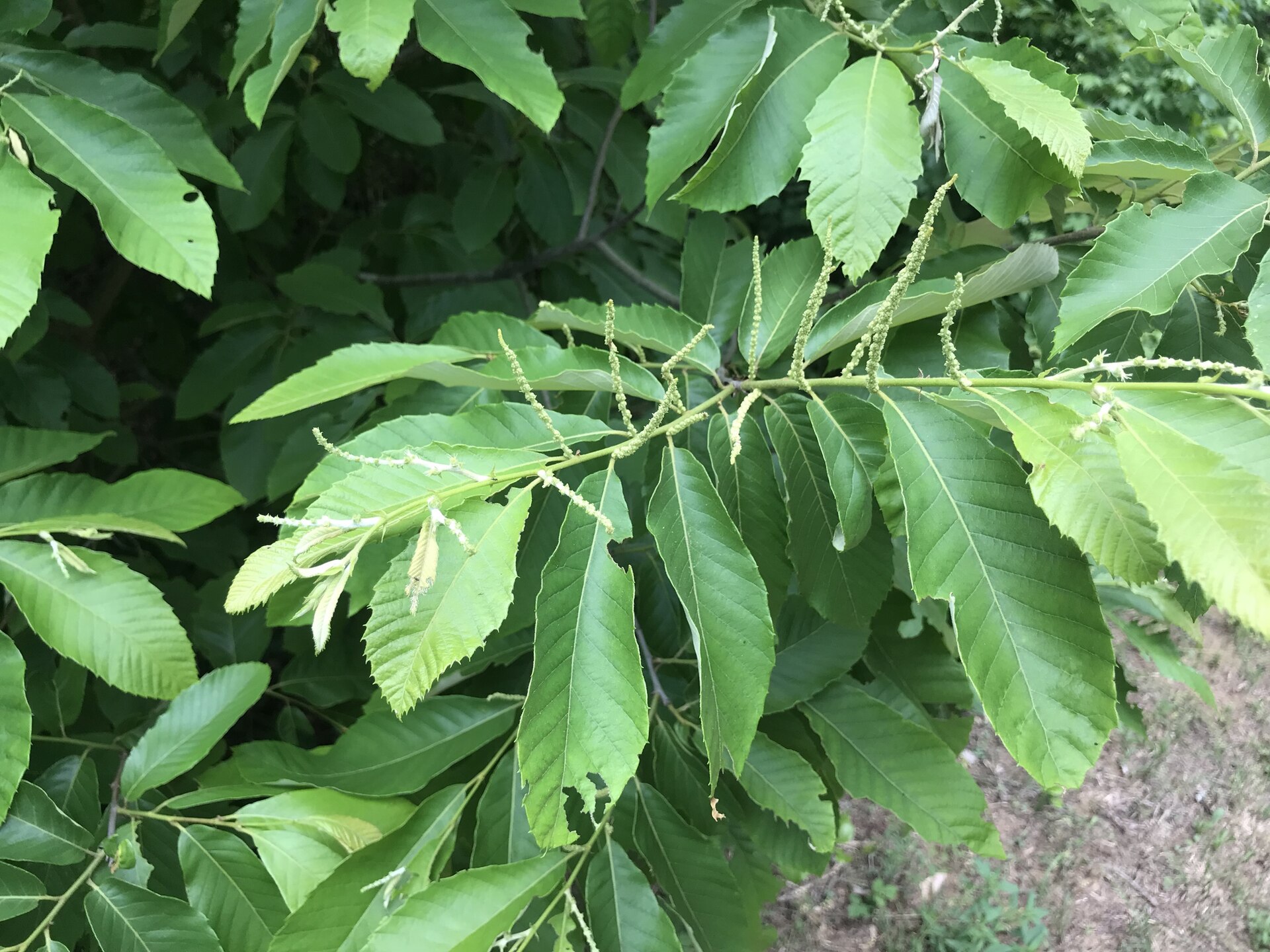
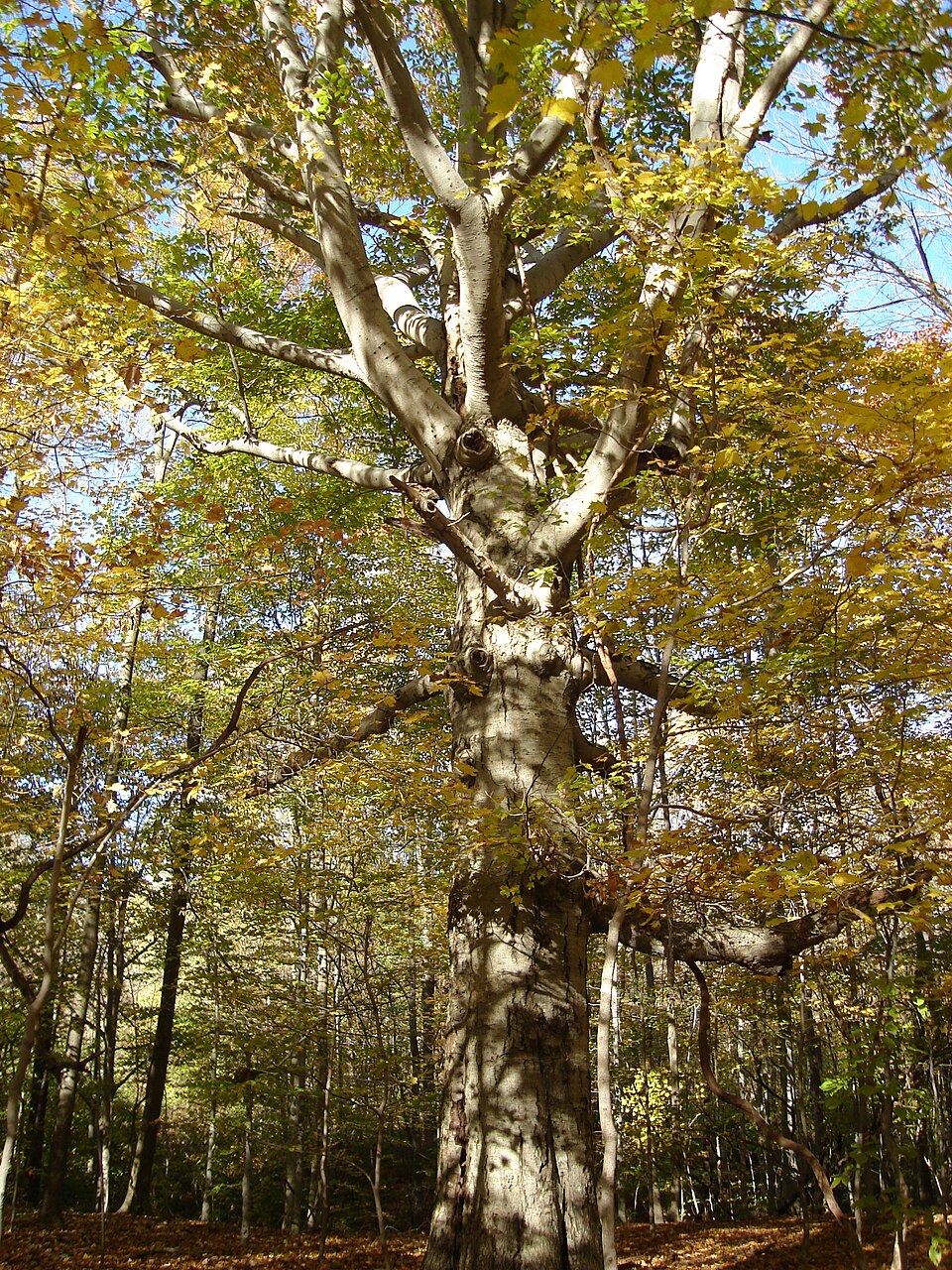
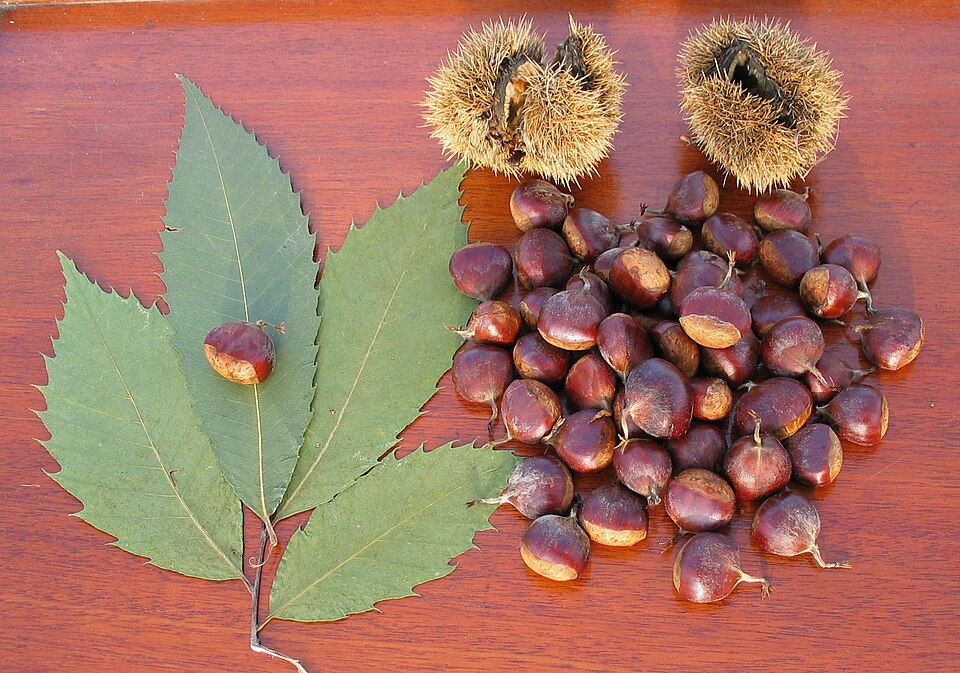
Related species in Fagaceae
Tree Nerd Academy
Ready to sit the ISA Certified Arborist exam?
Video curriculum, flashcards, and exam-sim built by working arborists.