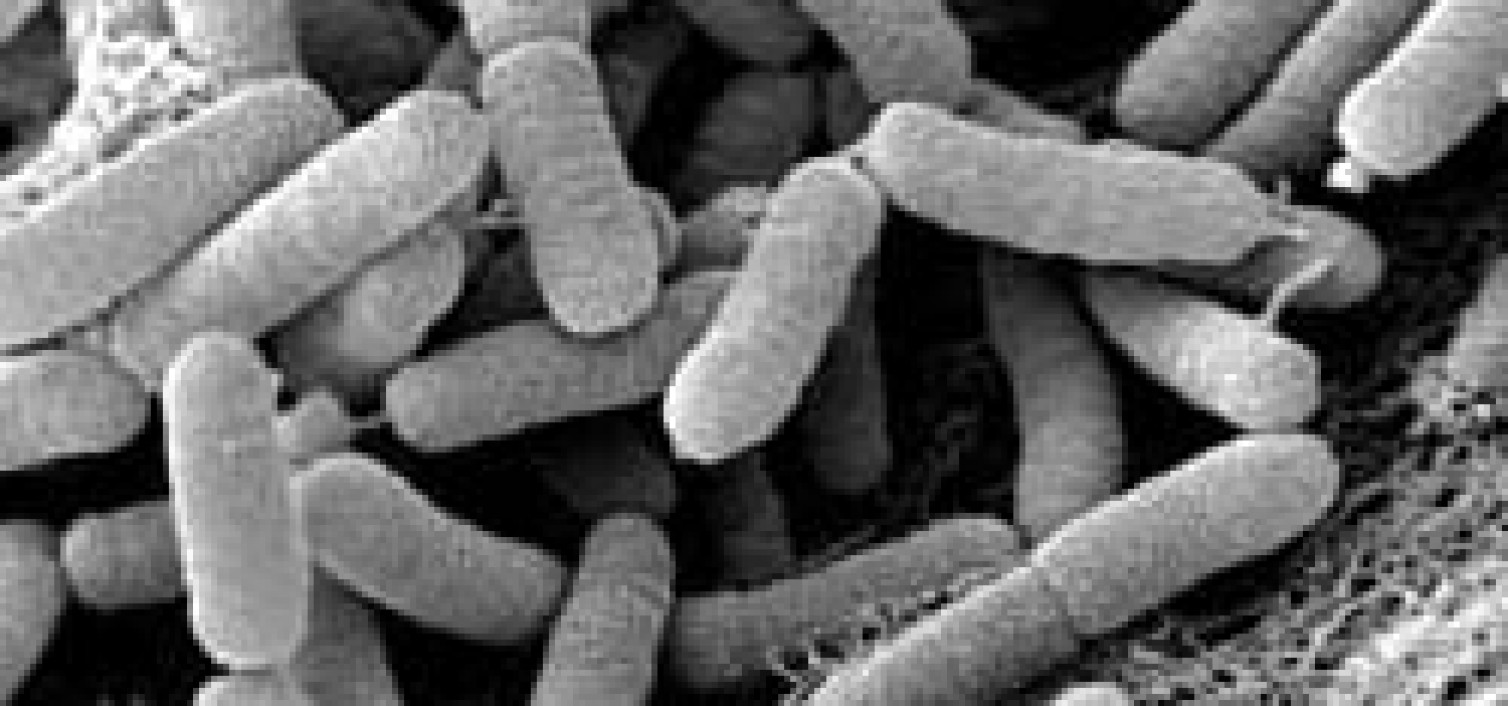
Bacterial Leaf Scorch
Xylella fastidiosa
Range: Eastern, southeastern, and central United States (xylem-feeding insect vectors)See it on the alert map
Symptoms & signs
- Leaf margins turn brown and scorched in mid-to-late summer, often with a yellow or reddish band separating the dead margin from green interior tissue
- symptoms recur and worsen yearly, spreading branch by branch
- premature leaf drop
- slow, progressive crown decline over several years
Treatment & management
- No cure — management slows decline
- Annual trunk injections of oxytetracycline can suppress symptoms in high-value trees but must be repeated
- Prune out severely affected limbs, support tree vigor with water and mulch, and confirm with a lab test (it mimics drought and root issues)
- Remove trees in advanced, hazardous decline
Host species
Northern Red OakQuercus rubraPin OakQuercus palustrisRed MapleAcer rubrumAmerican ElmUlmus americanaAmerican SycamorePlatanus occidentalisSweetgumLiquidambar styracifluaAmerican Linden (Basswood)Tilia americanaWillow OakQuercus phellosScarlet OakQuercus coccineaWater OakQuercus nigraCoast Live OakQuercus agrifoliaShumard OakQuercus shumardiiNuttall OakQuercus texanaSouthern Red OakQuercus falcataBlack OakQuercus velutinaCalifornia SycamorePlatanus racemosa
Common questions
How is bacterial leaf scorch different from drought scorch?
Drought scorch appears suddenly and improves with watering; bacterial leaf scorch recurs every year, spreads through the crown over seasons, and often shows a yellow halo at the margin. A lab test confirms it.
Can bacterial leaf scorch be cured?
No. Oxytetracycline injections only suppress symptoms and must be repeated yearly. The disease is chronic and progressive, so management focuses on prolonging the tree and removing it once it becomes hazardous.
Related diseases
Tree Nerd Academy
Ready to sit the ISA Certified Arborist exam?
Video curriculum, flashcards, and exam-sim built by working arborists.