
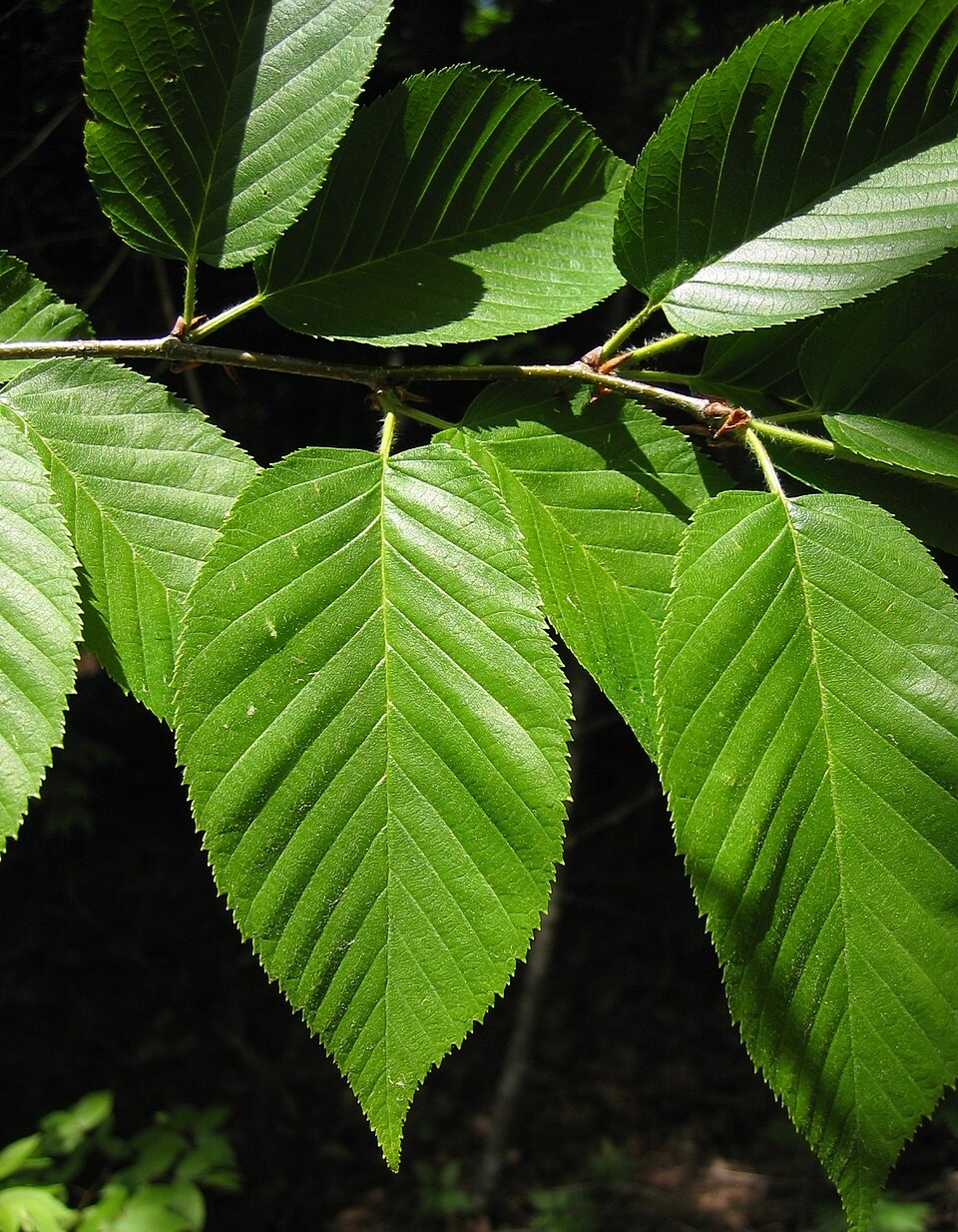
Yellow Birch
Betula alleghaniensis
A long-lived northern-forest birch with shimmering, peeling bronze-gold bark and twigs that smell of wintergreen when scratched. The premier timber birch, it needs cool, moist sites and declines in heat; like other birches it is vulnerable to bronze birch borer when stressed.
Field reference
Family
Betulaceae
Growth rate
Slow
Mature size
60–75 ft tall, 40–55 ft spread
Hardiness zone
3–7
Soil preference
Cool, moist, acidic, well-drained soils; intolerant of heat and drought
Sun
Full sun to part shade
Pruning window
Summer or late dormant; avoid spring sap-bleed and beetle-attracting wounds
Wood properties
Heavy, strong, close-grained birch (~0.55 SG) — the most commercially important birch lumber. Sound limb wood; wintergreen scent in fresh twigs aids ID.
Native range
Northeastern North America and the Appalachians, Newfoundland to Georgia's high elevations
Green weight
57 lb/ft³
Pests & diseases to watch
Common questions
How do I identify yellow birch?
Look for shiny, yellow-bronze bark that peels in thin curls, and scratch a twig — yellow birch (and its relative sweet birch) smells strongly of wintergreen, a quick field confirmation.
Why is my yellow birch declining in a hot location?
Yellow birch is a cool-climate species; heat and drought stress it and invite bronze birch borer. It performs poorly in hot urban sites — keep the root zone cool, mulched, and moist, and site it out of reflected heat.
Related species in Betulaceae
Tree Nerd Academy
Ready to sit the ISA Certified Arborist exam?
Video curriculum, flashcards, and exam-sim built by working arborists.