
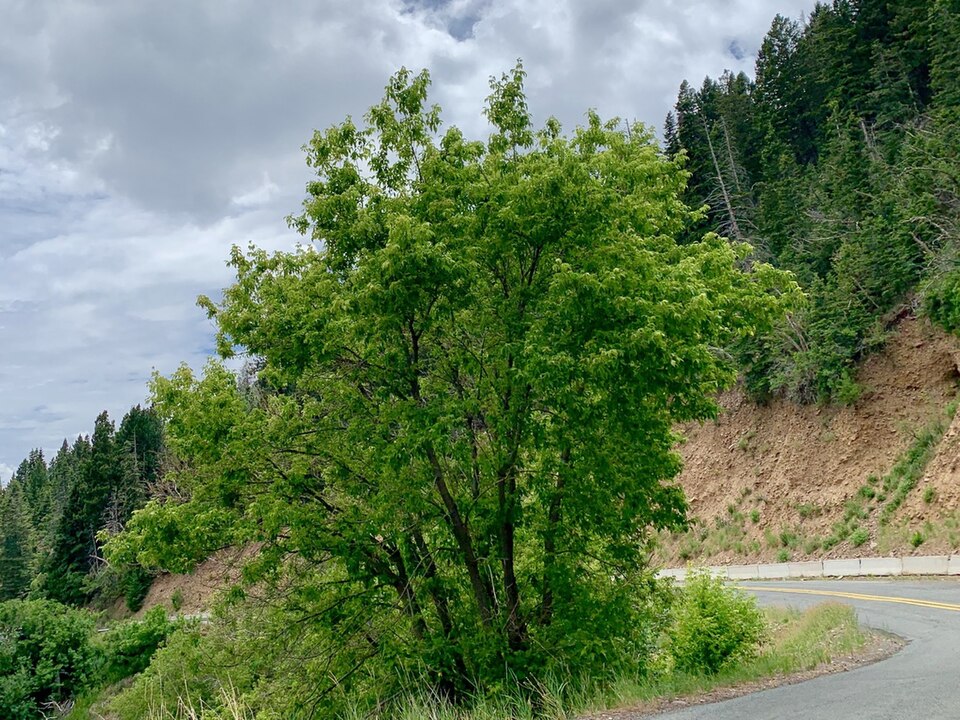
Boxelder
Acer negundo
A fast, weedy native maple with compound leaves, common on disturbed ground and riverbanks. Weak-wooded and short-lived with leaning multi-stems, it is a frequent storm-failure and removal subject — and the boxelder bug's host plant.
Field reference
Family
Sapindaceae
Growth rate
Fast
Mature size
35–50 ft tall, 30–45 ft spread
Hardiness zone
2–9
Soil preference
Tolerates almost anything — wet, dry, flooded, compacted, or poor soils
Sun
Full sun to part shade
Pruning window
Dormant season; expect vigorous watersprout regrowth
Wood properties
Soft, weak, low-density maple wood (~0.44 SG) that fails readily. Multiple leaning codominant stems and included bark make it a high-failure, frequently rigged removal.
Native range
Widespread across North America, the most broadly distributed native maple
Green weight
47 lb/ft³
Pests & diseases to watch
Asian Longhorned Beetlepest · Severe severity · peak Adults active and emerging July through OctoberAnthracnosefungus · Moderate severity · peak Spring, during cool, wet, rainy weather at and just after leaf-outVerticillium Wiltfungus · High severity · peak Symptoms appear in summer, often after heat or drought stress (June–September)Aphidspest · Low severity · peak Populations build in spring and early summer, with flushes through the season
Common questions
What are the black-and-red bugs swarming my boxelder?
Those are boxelder bugs, which feed on the seeds of female trees and gather on warm walls in fall. They are a nuisance but harmless to the tree and the house; planting male trees avoids the seed source.
Is boxelder worth keeping?
It provides quick shade on tough sites, but its weak, brittle wood and leaning multi-stem habit make mature trees prone to failure. Near targets, regular risk assessment or replacement is often the better call.
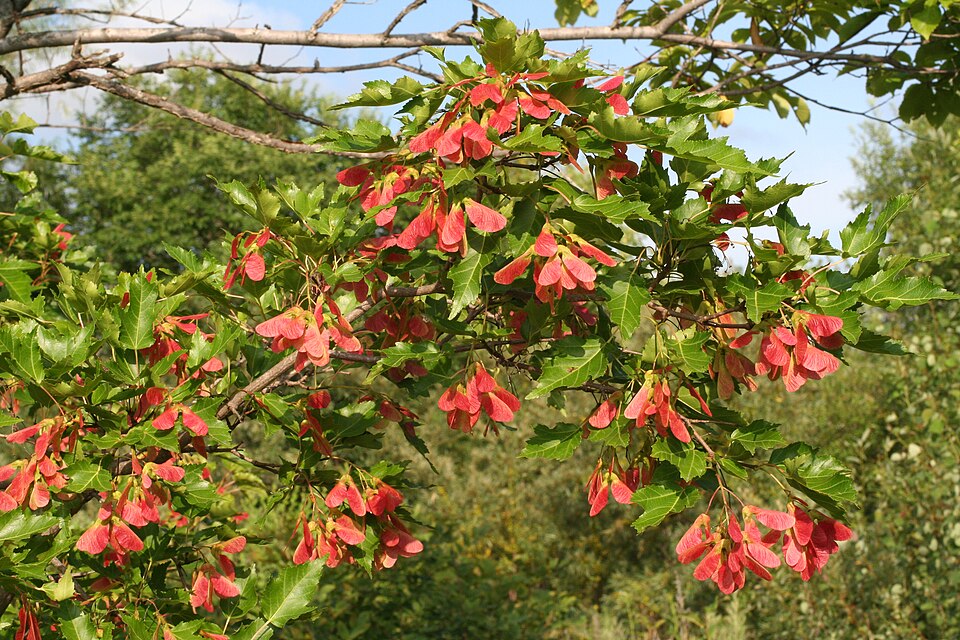
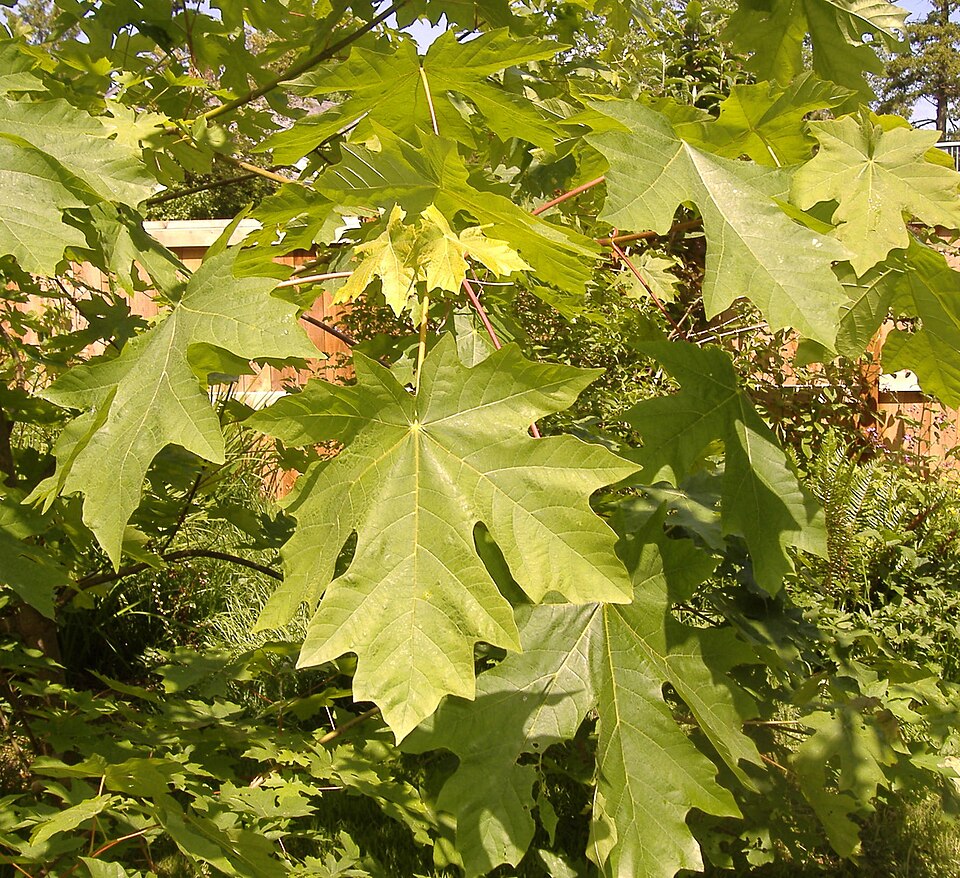
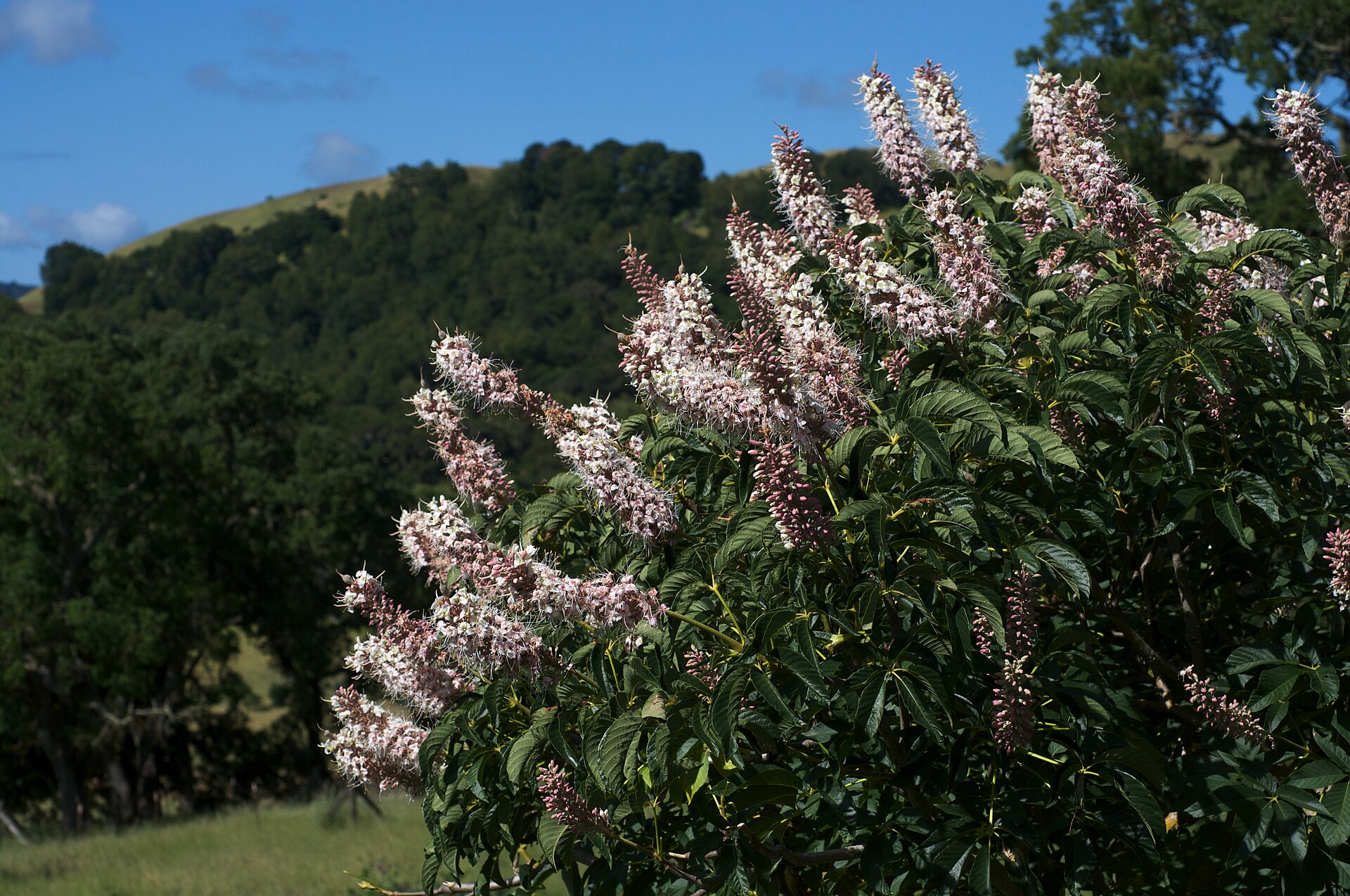
Related species in Sapindaceae
Tree Nerd Academy
Ready to sit the ISA Certified Arborist exam?
Video curriculum, flashcards, and exam-sim built by working arborists.