
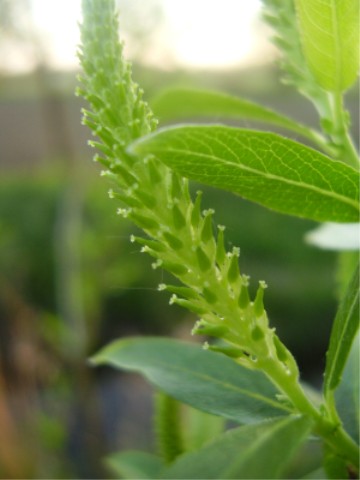
Almond Willow
Salix triandra
Commonly used in willow cultivation and biomass production systems.
Field reference
Family
Salicaceae
Growth rate
Fast
Mature size
20–35 ft tall, 20–30 ft spread
Hardiness zone
4-8
Soil preference
Moist to wet soils; thrives near water
Sun
Full Sun
Pruning window
Late winter or coppicing in dormancy
Wood properties
Flexible, lightweight, weak wood; used for weaving and basketry
Native range
Europe and western Asia (naturalized in parts of North America)
Green weight
50 lb/ft³
Common questions
Why is it called almond willow?
It is named for its almond-shaped leaves compared to other willow species.
Does almond willow grow fast?
Yes. It is a fast-growing willow species well-suited for wet sites.
Can almond willow grow in dry soil?
No. It requires consistently moist to wet soils to thrive.
What is almond willow used for?
It is commonly used for basketry, coppicing, and ecological restoration.
Is almond willow native to North America?
No. It is native to Europe and western Asia but has been introduced elsewhere.
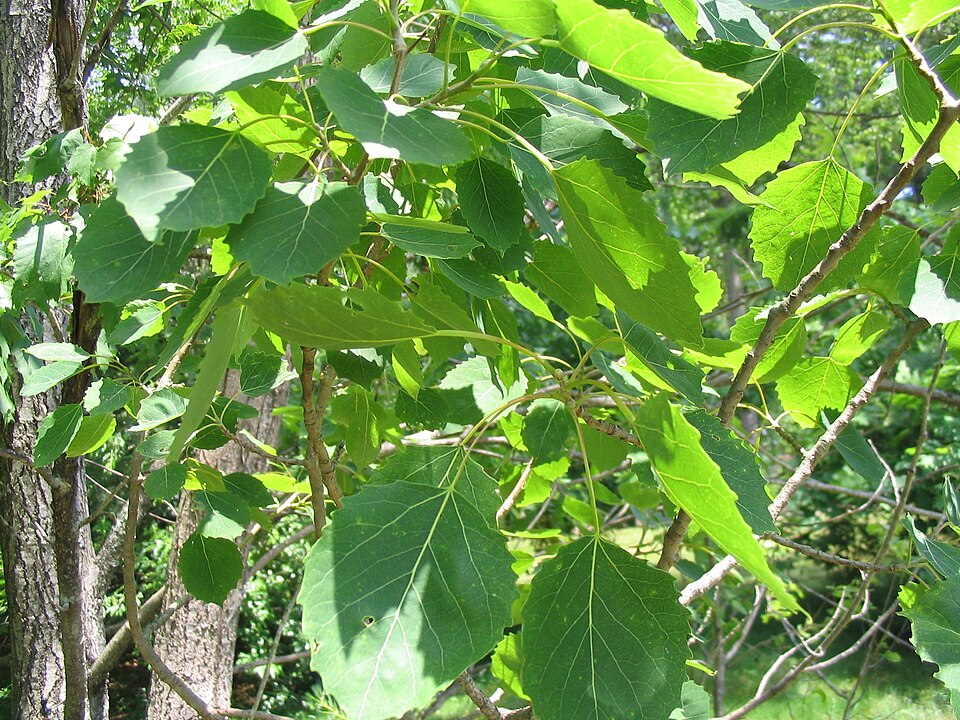
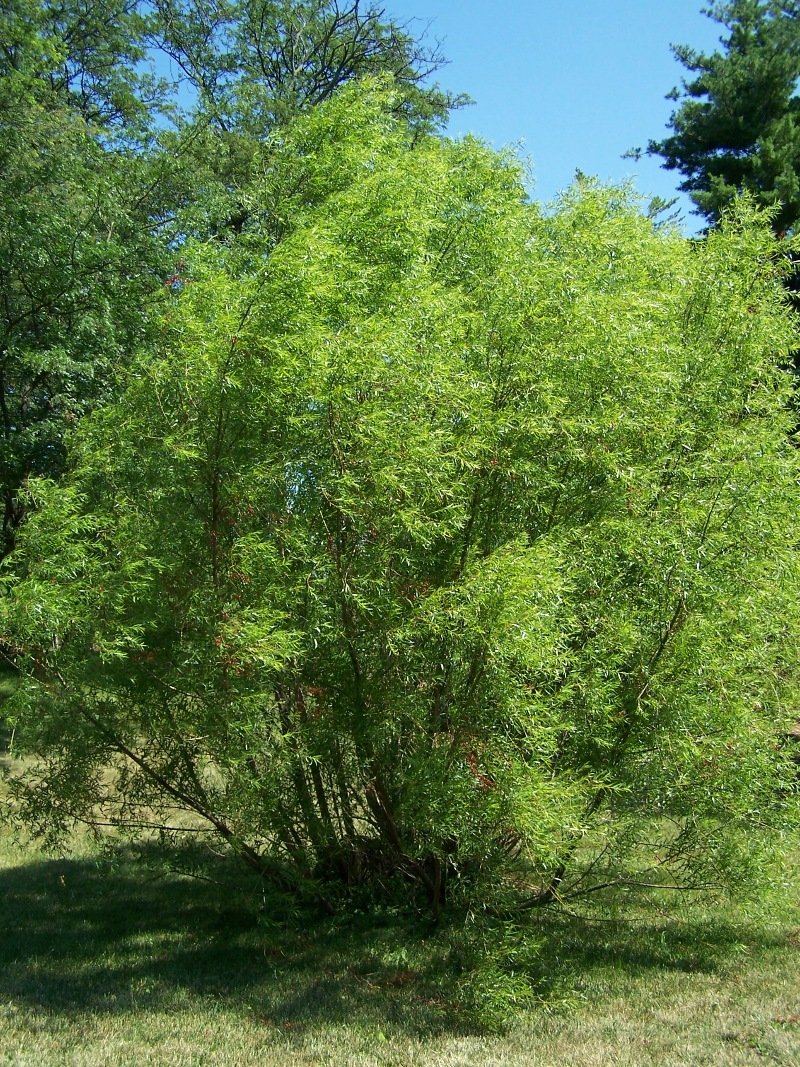
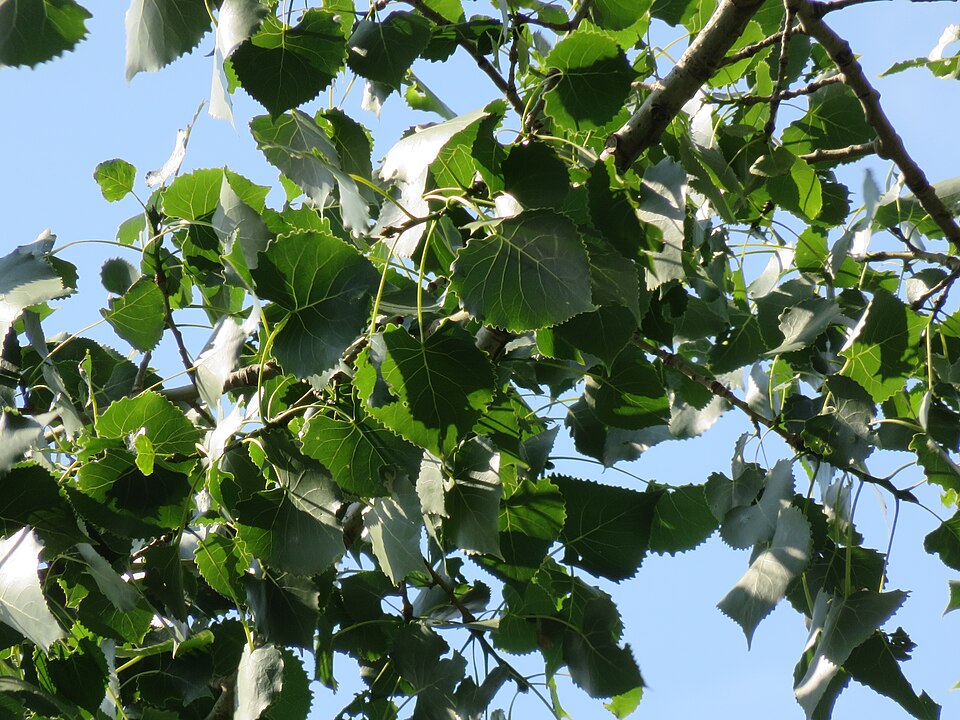
Related species in Salicaceae
Tree Nerd Academy
Ready to sit the ISA Certified Arborist exam?
Video curriculum, flashcards, and exam-sim built by working arborists.