
Apple Scab
Venturia inaequalis
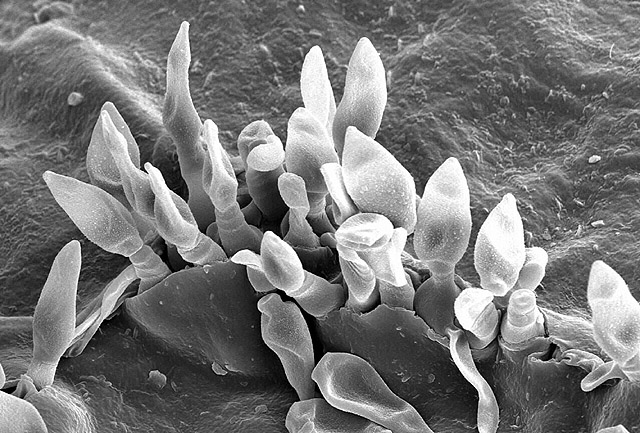
Range: Cool, humid regions of the United States and Canada, especially the Northeast and Upper MidwestSee it on the alert map
Symptoms & signs
- Olive-green to brown, velvety, fuzzy-edged spots on leaves that later turn dark and corky
- infected leaves yellow and drop prematurely, sometimes defoliating the tree by midsummer
- scabby, cracked, distorted lesions on fruit
- most severe in cool, wet spring weather
Treatment & management
- Plant scab-resistant cultivars where possible
- Rake and remove fallen leaves to break the overwintering cycle
- Improve airflow with pruning
- Protectant fungicides (captan, myclobutanil) timed from bud break through primary infection periods on susceptible high-value trees
- Avoid overhead irrigation
Host species
Common questions
Why do my ornamental pear and crabapple leaves drop in summer?
Apple scab is the usual cause: cool wet springs trigger leaf-spotting that leads to yellowing and early defoliation. Raking up infected leaves and choosing resistant cultivars are the best long-term fixes.
Will apple scab kill my tree?
It rarely kills established trees, but repeated heavy defoliation year after year weakens them and reduces flowering and fruiting. Persistent cases on valued trees can warrant a fungicide program.
Related diseases
Tree Nerd Academy
Ready to sit the ISA Certified Arborist exam?
Video curriculum, flashcards, and exam-sim built by working arborists.