
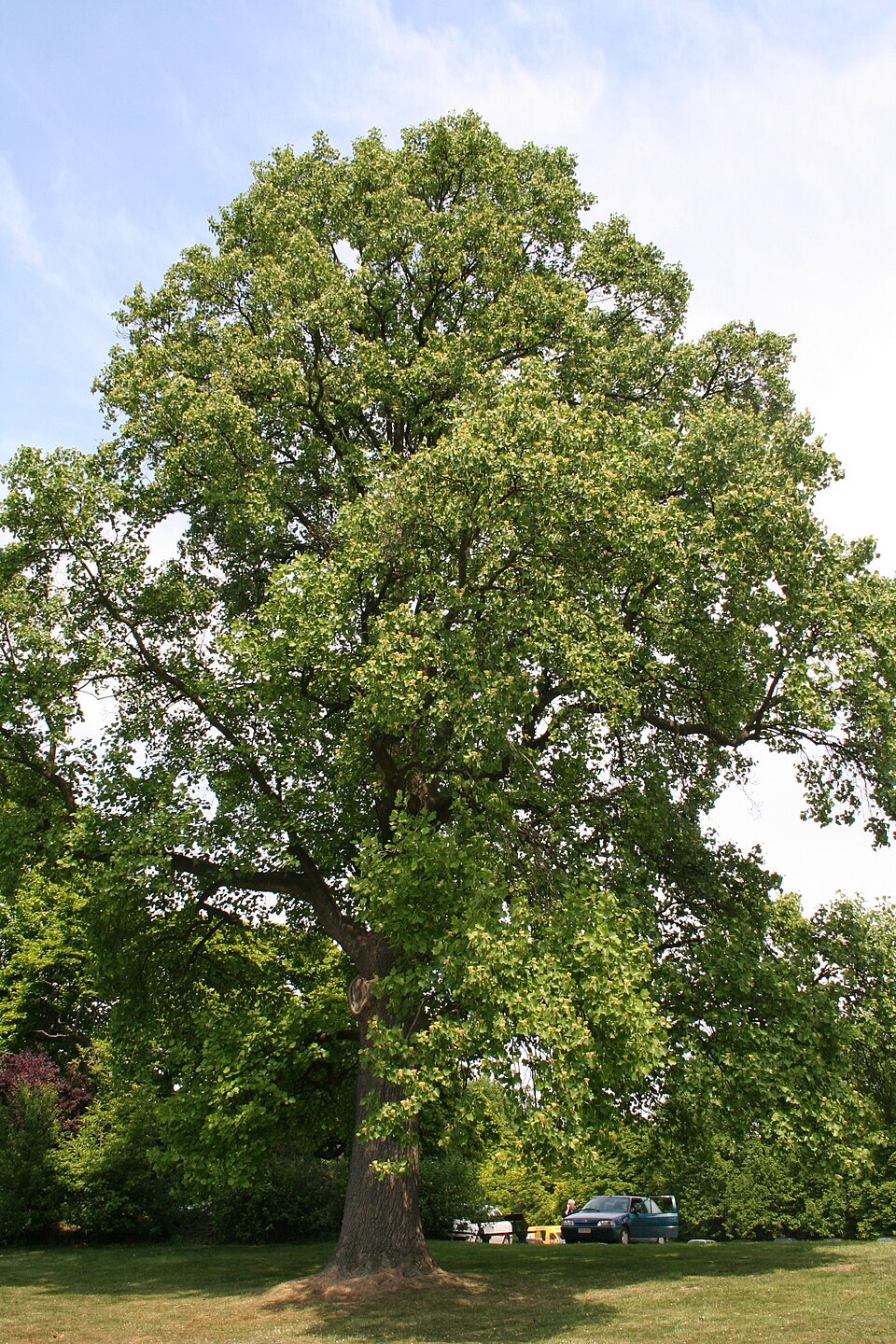
Tulip Poplar (Yellow Poplar)
Liriodendron tulipifera
Neither a true poplar nor a tulip, this is one of the tallest eastern hardwoods, with tulip-shaped orange-green flowers high in the canopy and unique four-lobed leaves. It grows very fast and straight, dropping early inner leaves in drought. Aphids on it produce heavy honeydew and sooty mold on cars and decks below.
Field reference
Family
Magnoliaceae
Growth rate
Fast
Mature size
70–90 ft tall, 35–50 ft spread
Hardiness zone
4–9
Soil preference
Deep, rich, moist, well-drained loam; intolerant of drought
Sun
Full sun
Pruning window
Late winter (dormant) or early summer
Wood properties
Light, soft, straight-grained, stable hardwood (~0.42 SG) — the classic 'poplar' of millwork. Tall straight bole; relatively weak, snap-prone limbs in storms.
Native range
Eastern United States, from southern New England to Florida and west to the Mississippi
Green weight
45 lb/ft³
Pests & diseases to watch
Common questions
Why is my car under the tulip tree covered in sticky residue?
Tulip-tree aphids and tuliptree scale excrete honeydew that rains down and grows black sooty mold. Manage the insects, or avoid parking and seating directly beneath the canopy.
Why did my tulip poplar drop yellow leaves in mid-summer?
It sheds interior leaves early under drought stress to conserve water. Deep watering during dry spells reduces the premature yellowing and leaf drop.
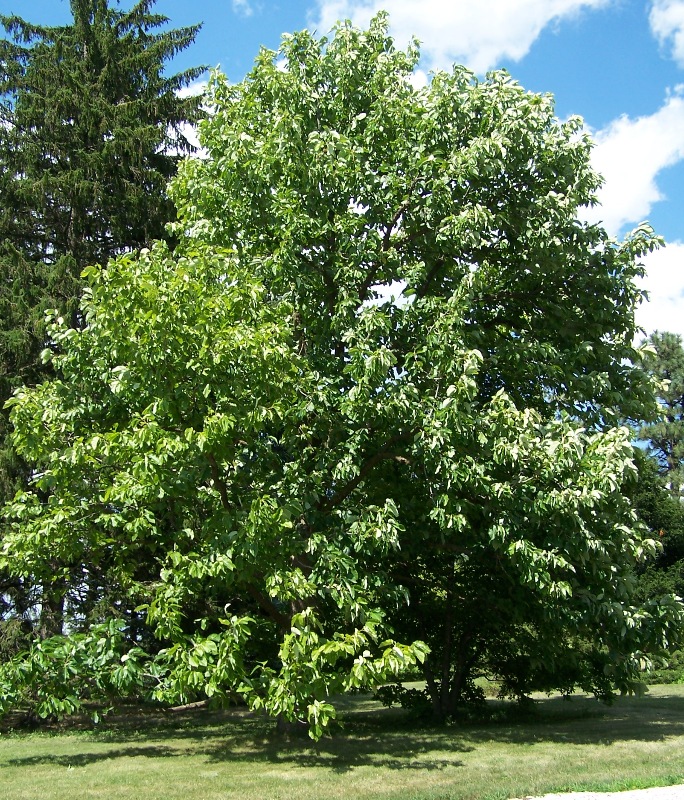
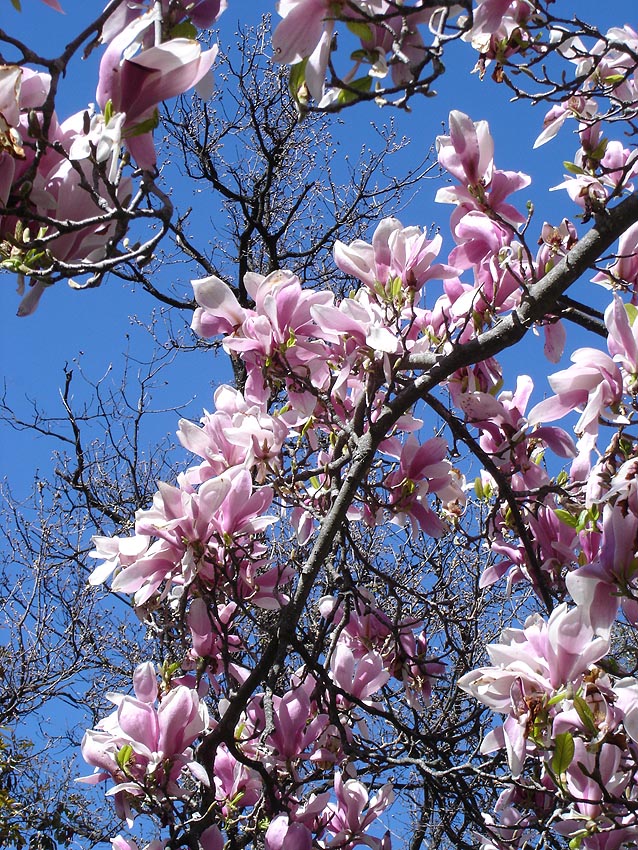
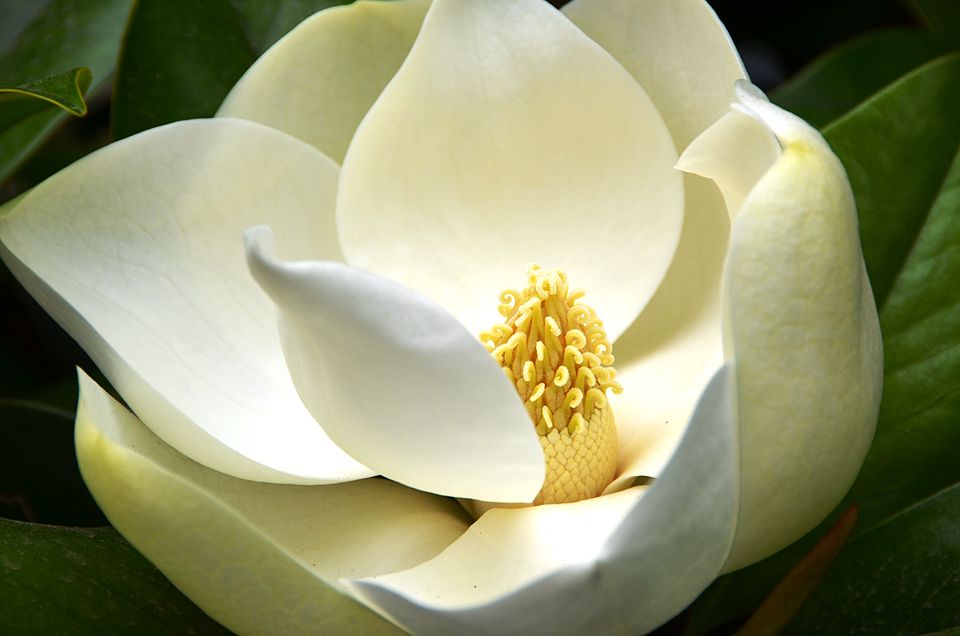
Related species in Magnoliaceae
Tree Nerd Academy
Ready to sit the ISA Certified Arborist exam?
Video curriculum, flashcards, and exam-sim built by working arborists.