
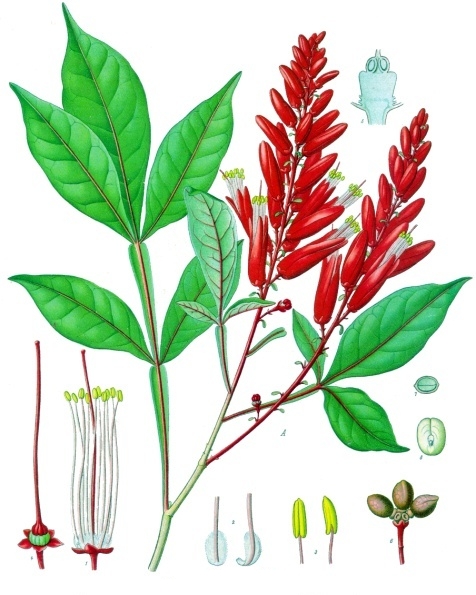
Quassia / Bitterwood (Ague Tree)
Quassia amara
Traditionally used in herbal medicine as a febrifuge (fever-reducing tonic).
Field reference
Family
Simaroubaceae
Growth rate
Moderate
Mature size
10–30 ft tall, 10–20 ft spread
Hardiness zone
10-12
Soil preference
Well-drained tropical soils; tolerates poor soils
Sun
Partial Shade to Full Sun (best in filtered light in hot climates)
Pruning window
Year-round light pruning in tropical climates
Wood properties
Very bitter wood due to quassinoids; not used structurally
Native range
Central and South America (Amazon basin and Caribbean regions)
Green weight
45 lb/ft³
Common questions
Why is it called ague tree?
It was historically used to treat malaria-related fevers ('ague') in traditional medicine.
Is quassia amara edible?
No. It is extremely bitter and not used as a food plant.
Can ague tree grow in temperate climates?
No. It requires tropical to subtropical conditions and does not tolerate frost.
What is quassia wood used for?
It is mainly used in traditional medicine and as a natural insecticide extract.
Is ague tree fast growing?
It has a moderate growth rate in warm, humid environments.
Related species in Simaroubaceae
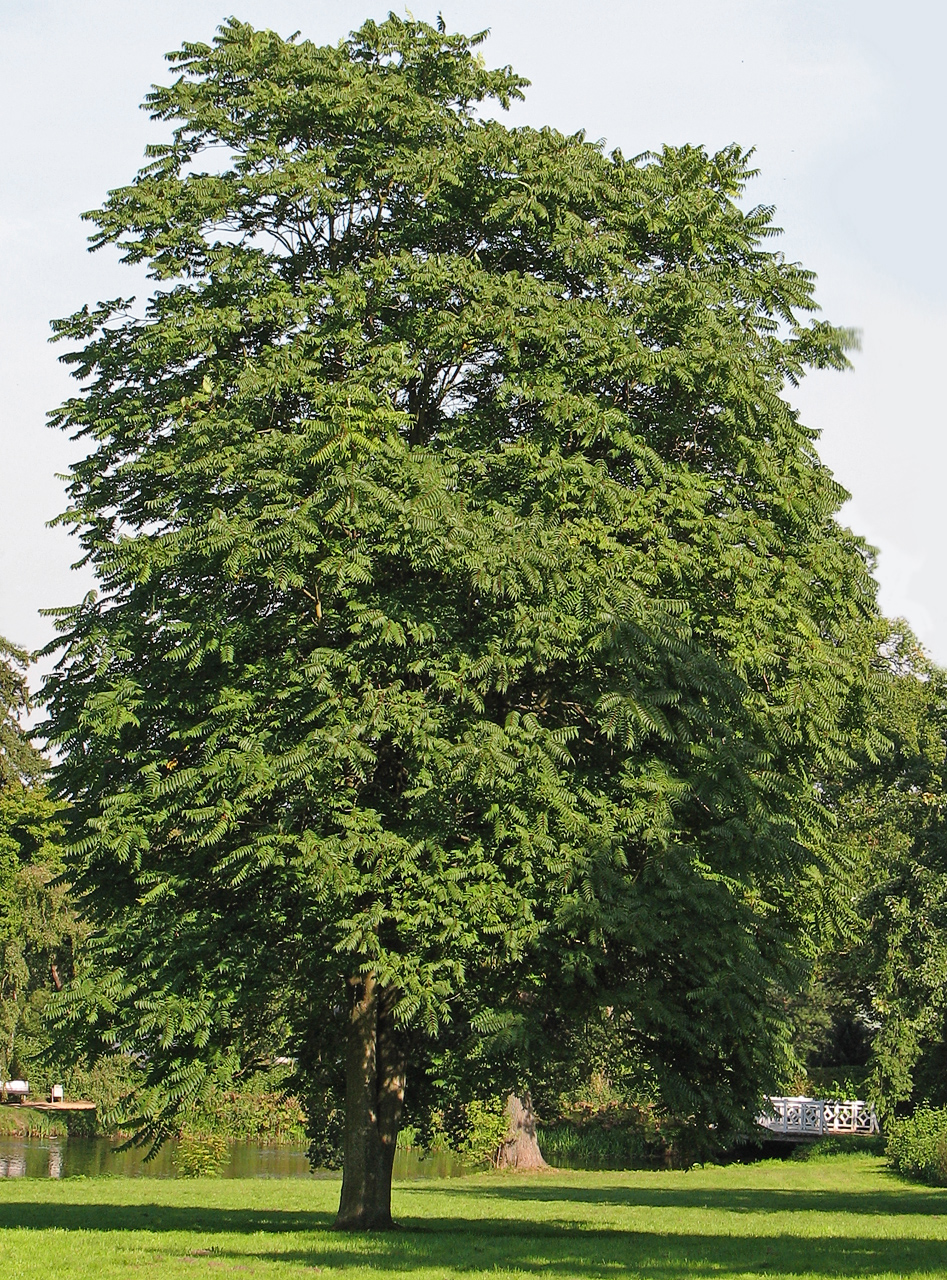
Tree Nerd Academy
Ready to sit the ISA Certified Arborist exam?
Video curriculum, flashcards, and exam-sim built by working arborists.