
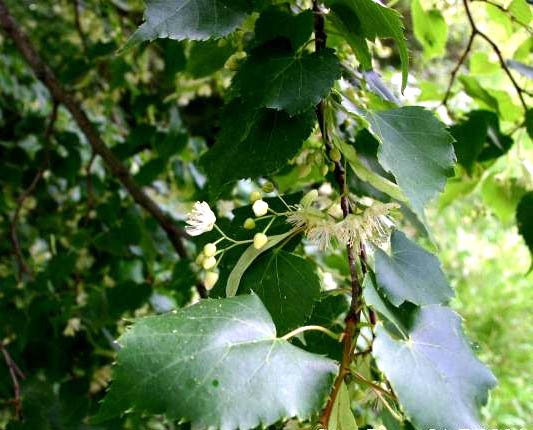
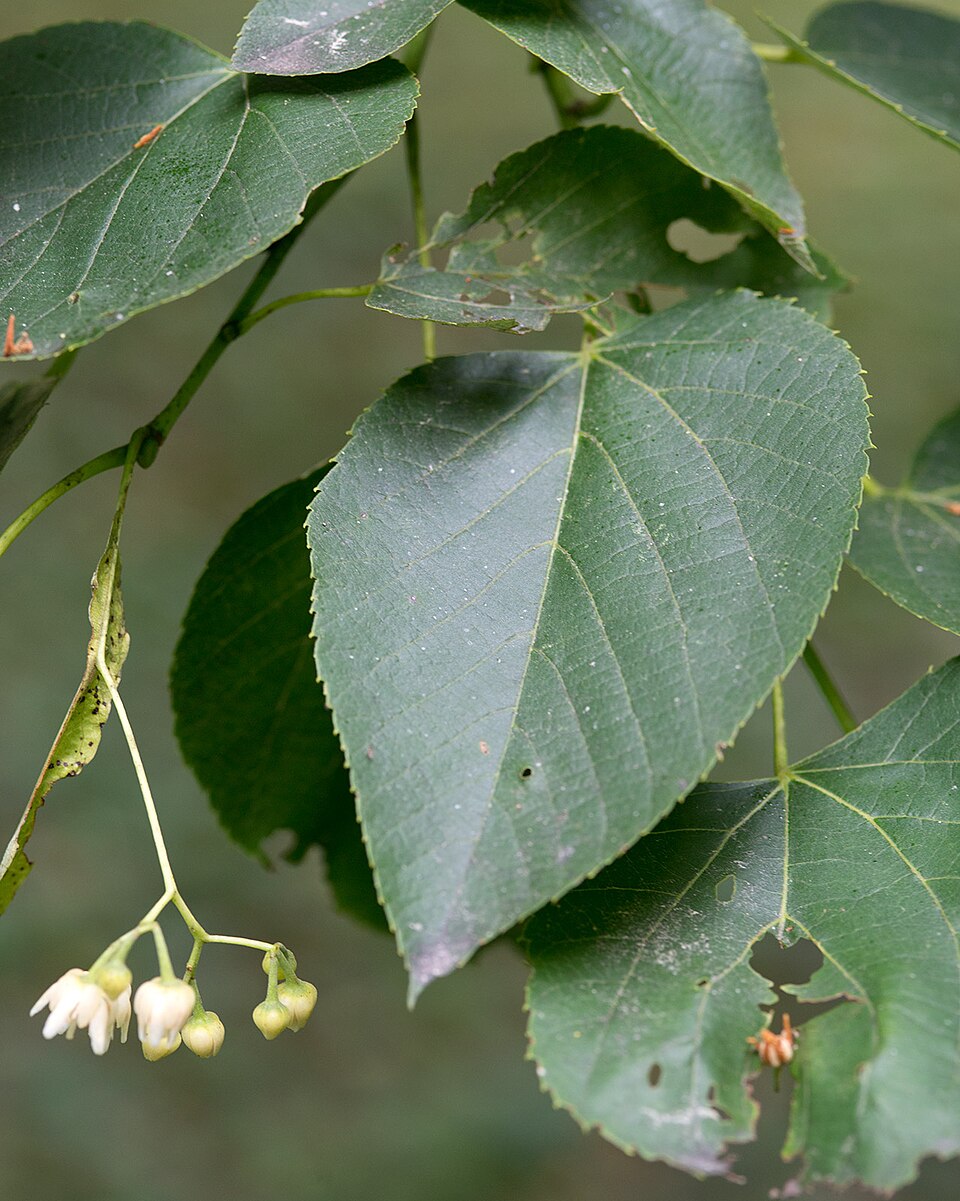
Littleleaf Linden
Tilia cordata
A dense, symmetrical European shade and street tree with small heart-shaped leaves and intensely fragrant early-summer flowers beloved by bees. Very tolerant of pruning (a classic pleached and pollarded tree) and urban conditions, but heavy aphid honeydew and sooty mold are its signature nuisance, sometimes coating cars beneath.
Field reference
Family
Malvaceae
Growth rate
Moderate
Mature size
50–70 ft tall, 35–50 ft spread
Hardiness zone
3–7
Soil preference
Moist, fertile, well-drained soils; tolerates clay, alkalinity, and urban conditions
Sun
Full sun to part shade
Pruning window
Dormant season; tolerates heavy pruning and pleaching well
Wood properties
Soft, light, fine, even-grained wood — the classic European carving wood (limewood). Strong central leader; dense pyramidal crown that takes shearing and pollarding.
Native range
Native to Europe; one of the most widely planted urban street trees in North America
Green weight
44 lb/ft³
Pests & diseases to watch
Common questions
Why is everything under my linden sticky?
Lindens are notorious for heavy aphid infestations that rain sticky honeydew onto cars, walks, and lower leaves, where black sooty mold then grows. Managing the aphids (or not parking beneath in summer) is the usual remedy.
Is littleleaf linden good for formal pruning?
Excellent — it tolerates heavy, repeated pruning and is a traditional choice for pleached allées, pollards, and clipped hedges, holding a dense, formal shape well.
Related species in Malvaceae
Tree Nerd Academy
Ready to sit the ISA Certified Arborist exam?
Video curriculum, flashcards, and exam-sim built by working arborists.