
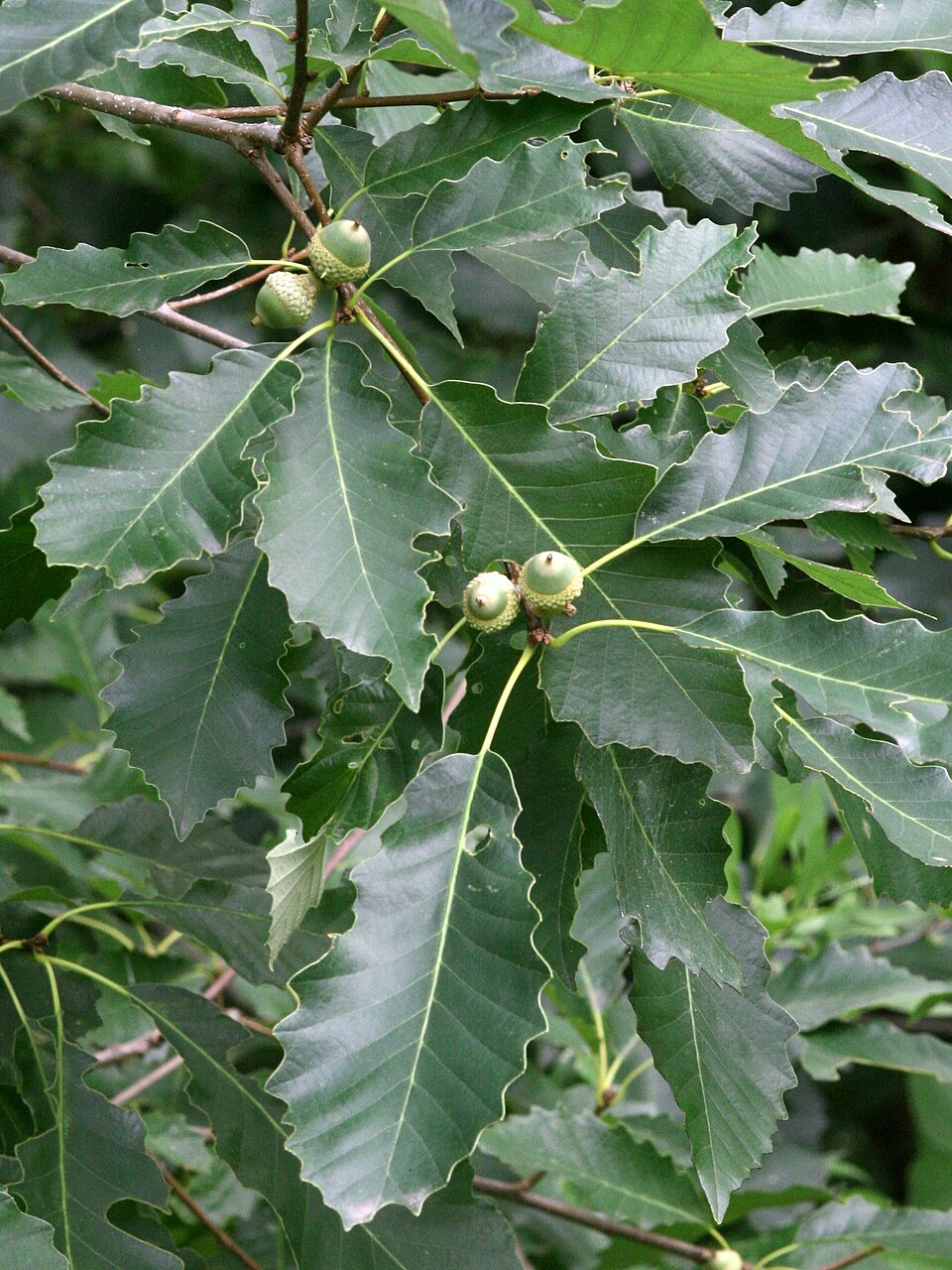
Chinkapin Oak
Quercus muehlenbergii
An underused white oak with chestnut-like toothed leaves, prized for tolerating dry, alkaline, limestone soils where most oaks struggle. Sweet acorns feed wildlife; it transplants poorly from the wild because of a deep taproot, so plant young nursery stock.
Field reference
Family
Fagaceae
Growth rate
Slow
Mature size
40–60 ft tall, 50–70 ft spread
Hardiness zone
3–7
Soil preference
Dry, alkaline, limestone-derived soils; one of the few oaks that thrives on high-pH ground
Sun
Full sun
Pruning window
Mid-winter (dormant); avoid spring wounds in oak-wilt areas
Wood properties
Hard, heavy, durable white-group oak (~0.66 SG) marketed with white oak. Strong limb wood; heavy green stems demand controlled lowering.
Native range
Eastern and central United States, from Vermont to Texas and into northern Mexico
Green weight
60 lb/ft³
Pests & diseases to watch
Oak Wiltfungus · Severe severity · peak Spring and early summer (high infection risk from fresh wounds April–July)Spongy Moth (formerly Gypsy Moth)pest · High severity · peak Caterpillars feed and defoliate May–June; egg masses laid mid-summer overwinterPowdery Mildewfungus · Low severity · peak Late spring through fall, worst in humid, shaded, crowded conditions
Common questions
Will chinkapin oak grow in alkaline soil?
Yes — it is one of the best large shade oaks for high-pH, limestone, and dry soils, where pin and red oaks often turn chlorotic. That alkaline tolerance is its standout landscape trait.
Is chinkapin oak the same as chinquapin?
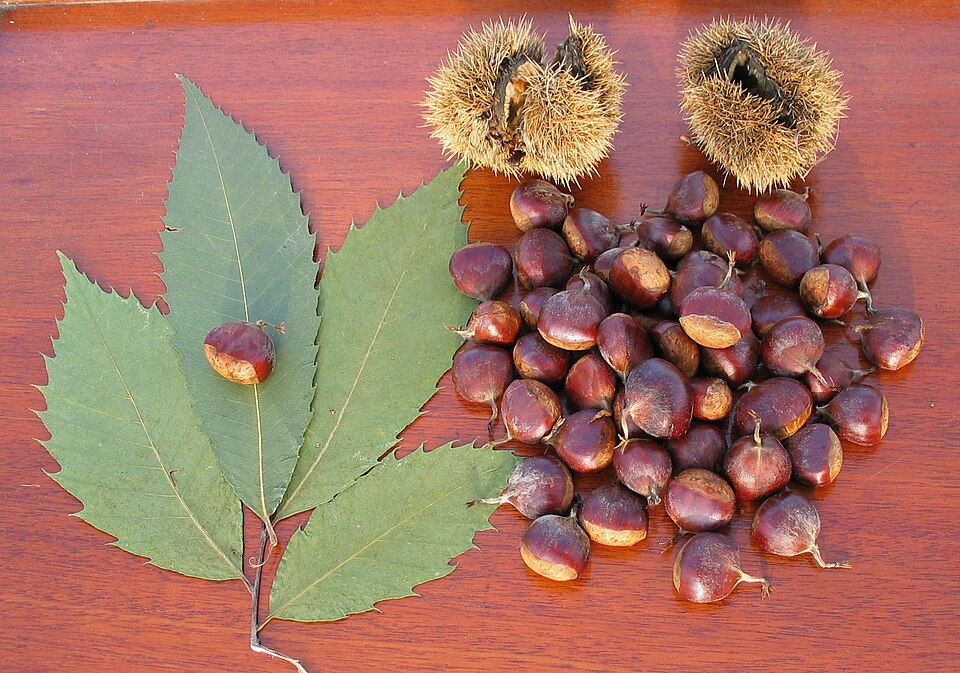
The name is shared but the plants differ: chinkapin oak is a true oak (Quercus muehlenbergii), while the Allegheny chinquapin is a small chestnut relative (Castanea). The oak's leaves merely resemble chestnut/chinquapin foliage.
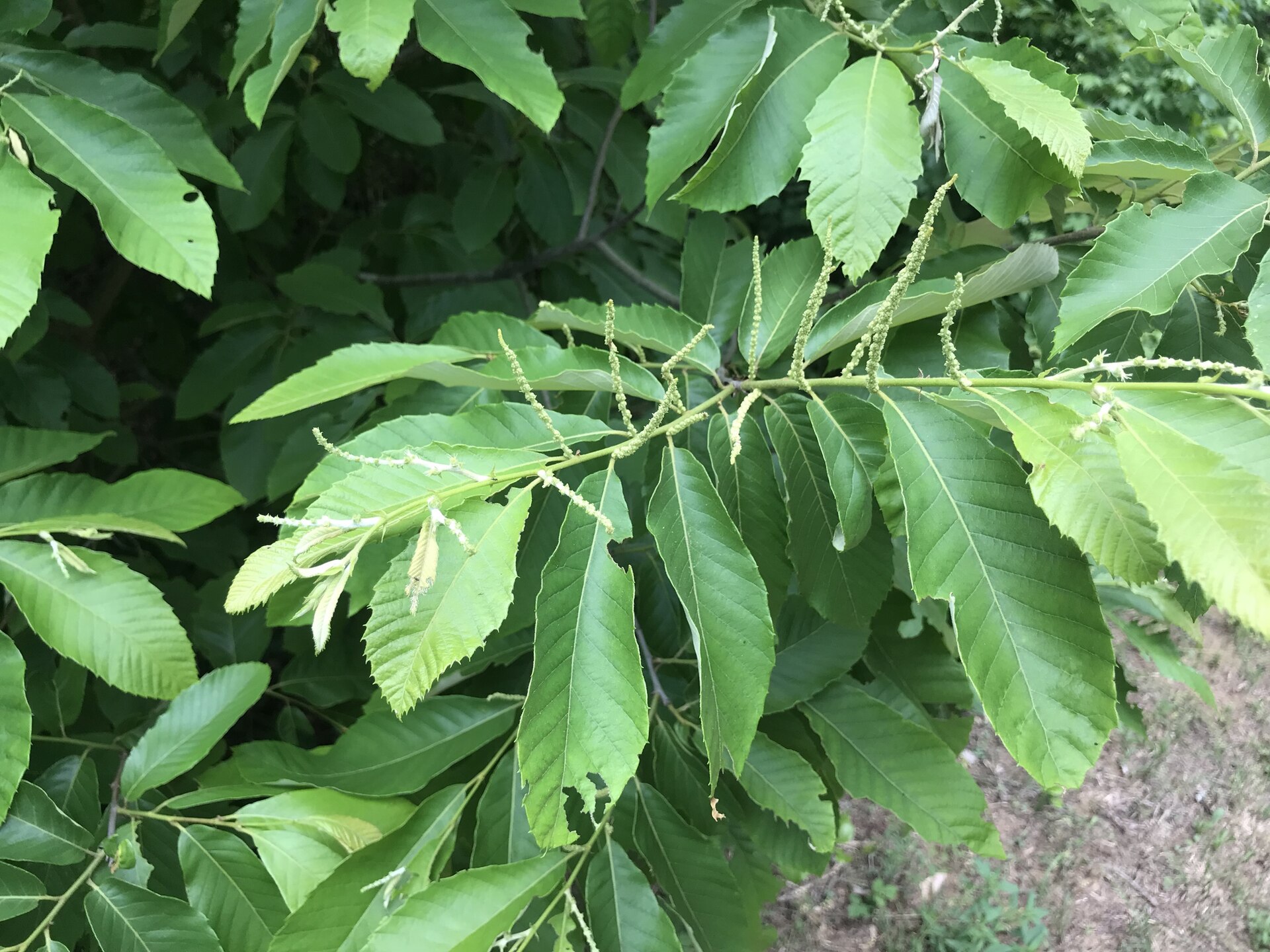
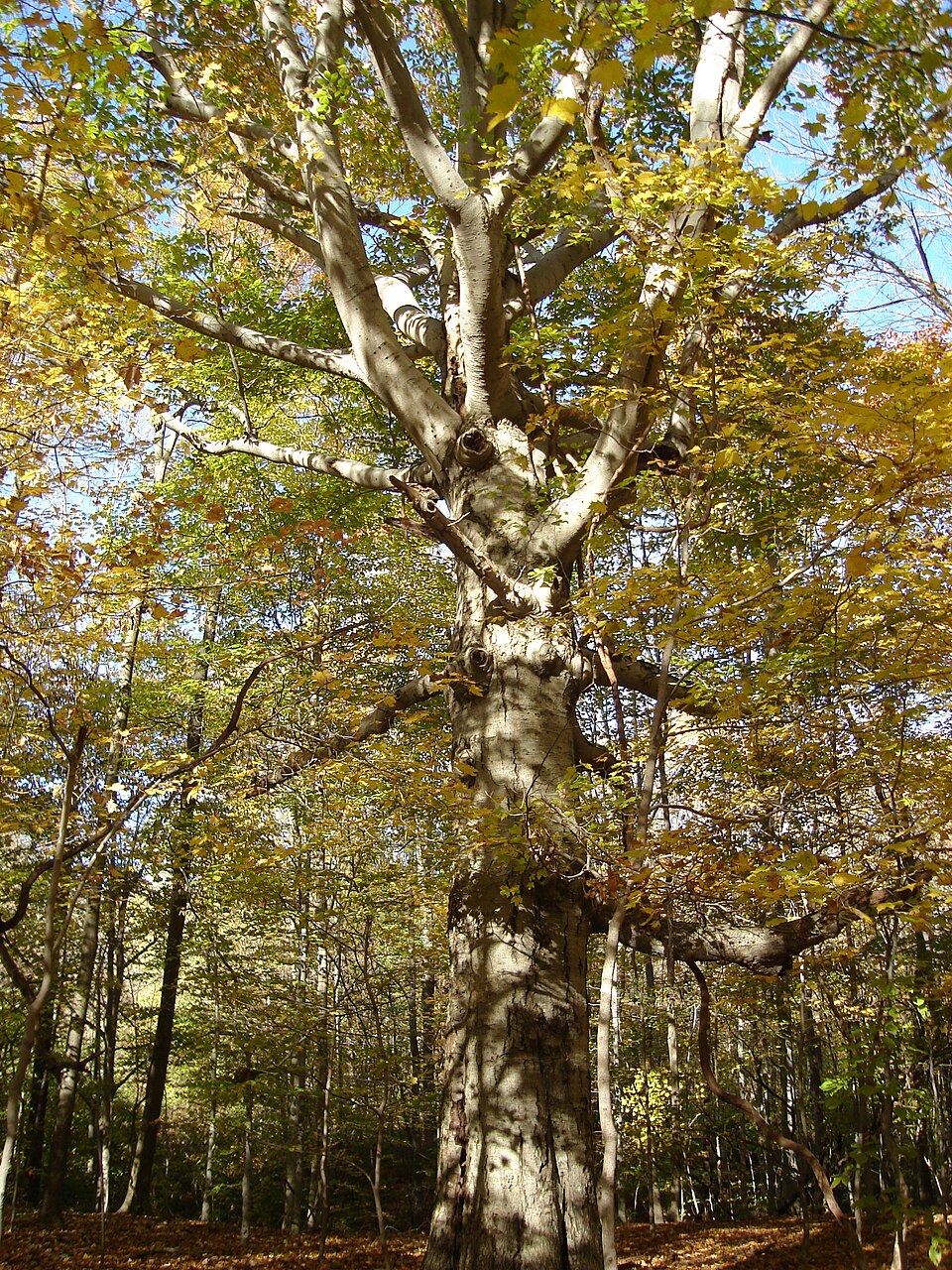
Related species in Fagaceae
Tree Nerd Academy
Ready to sit the ISA Certified Arborist exam?
Video curriculum, flashcards, and exam-sim built by working arborists.