
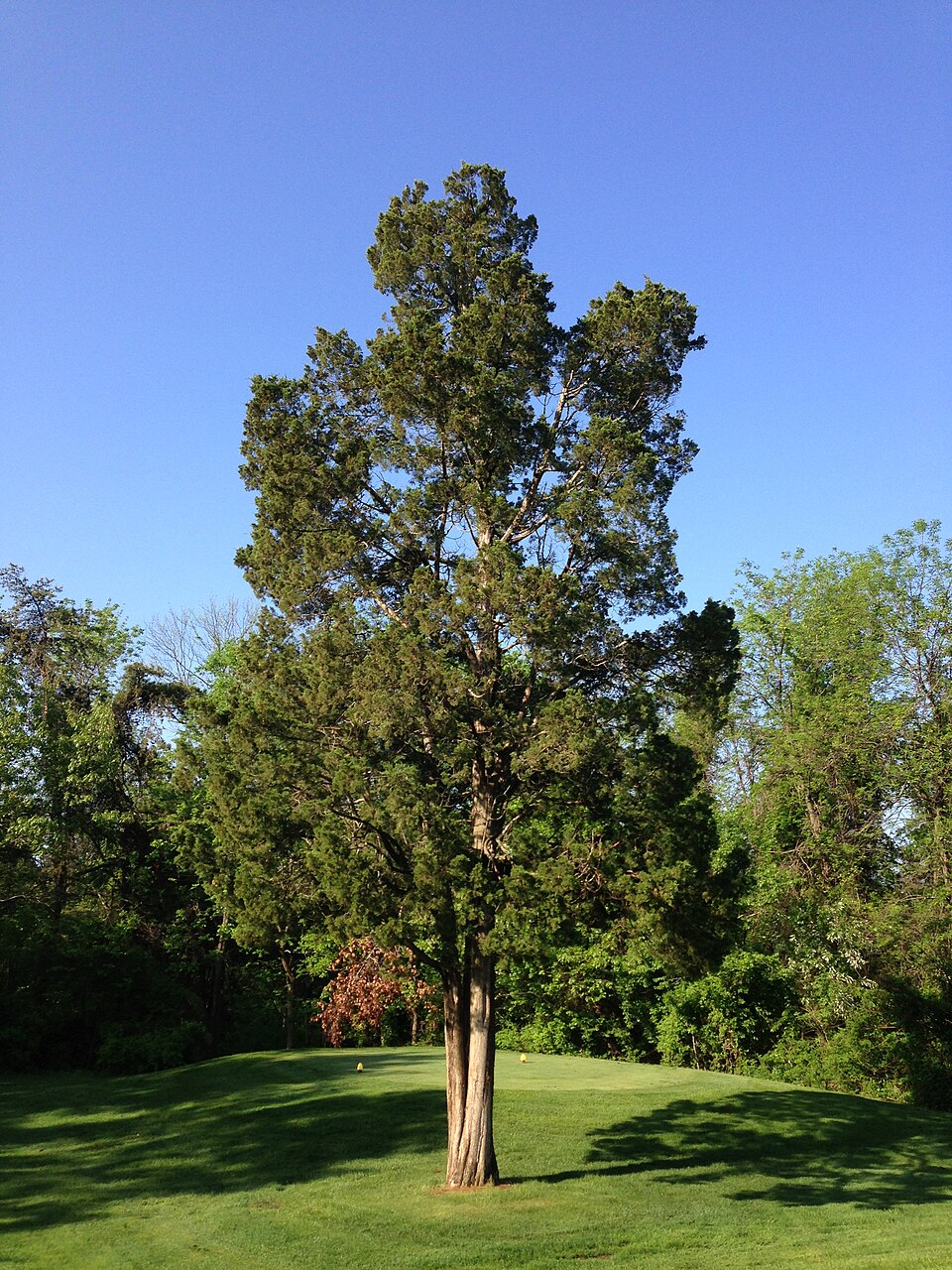
Eastern Redcedar
Juniperus virginiana
A tough, drought- and cold-hardy native juniper (not a true cedar) that pioneers old fields, fencerows, and poor rocky soils. Its aromatic red heartwood repels moths and resists decay. It is the alternate host for cedar-apple rust, so avoid planting it near susceptible apples and crabapples.
Field reference
Family
Cupressaceae
Growth rate
Moderate
Mature size
30–50 ft tall, 8–20 ft spread
Hardiness zone
2–9
Soil preference
Extremely adaptable — dry, rocky, alkaline, or poor soils; very drought tolerant
Sun
Full sun
Pruning window
Late winter to early spring
Wood properties
Aromatic, fine-grained, decay-resistant softwood (~0.44 SG) used for closets, posts, and pencils. Dense, twiggy form; not a timber-rigging species but durable.
Native range
Eastern and central North America, from southern Canada to the Gulf Coast
Green weight
37 lb/ft³
Pests & diseases to watch
Common questions
Is eastern redcedar a true cedar?
No — it is a juniper (Juniperus virginiana). The 'cedar' name comes from its aromatic, decay-resistant red wood, but botanically it sits with the junipers.
Should I keep redcedar away from my apple trees?
Yes — it hosts cedar-apple rust, which alternates between junipers and apples/crabapples. Separating the two hosts or removing galls helps reduce fruit and foliage infection.
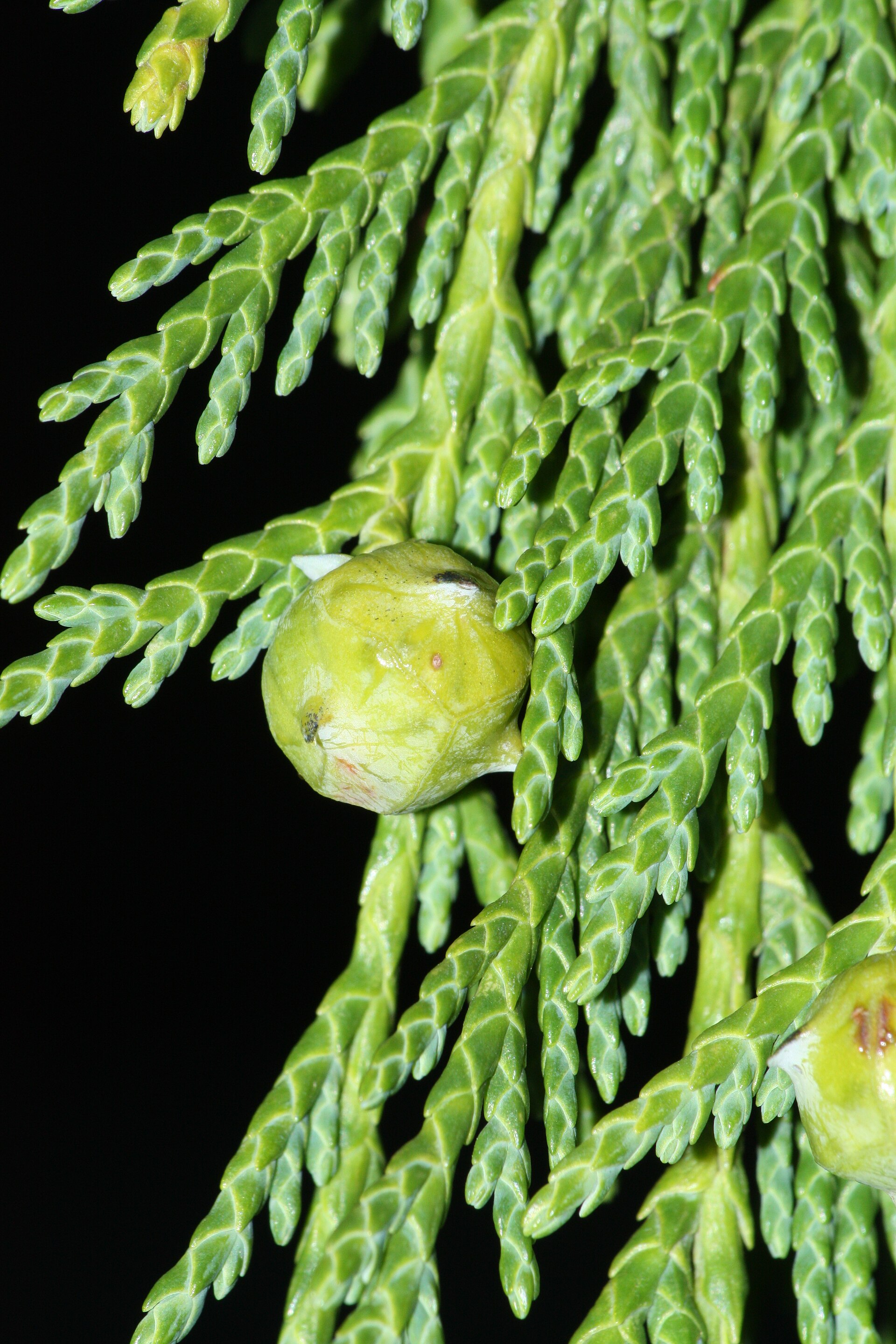
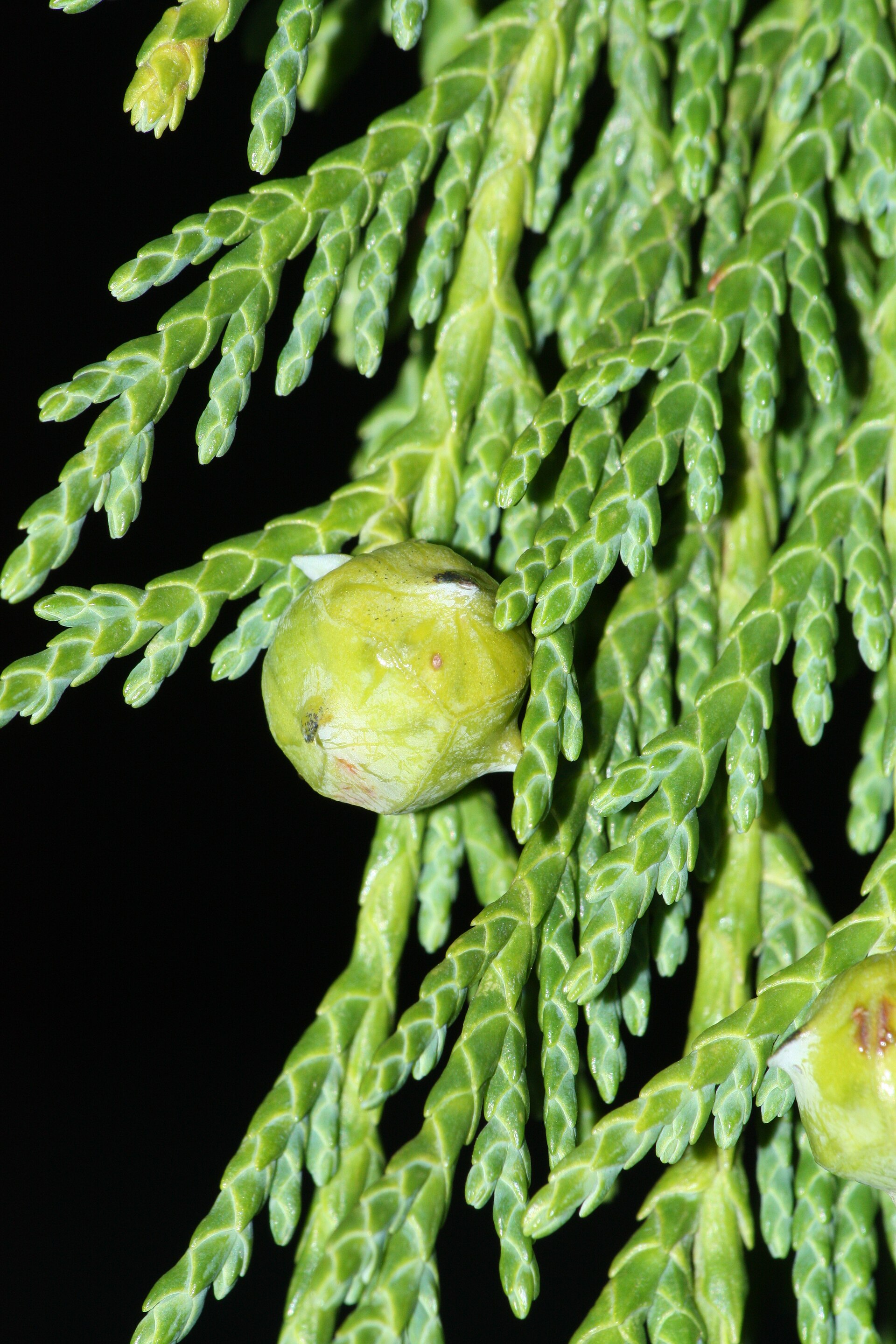
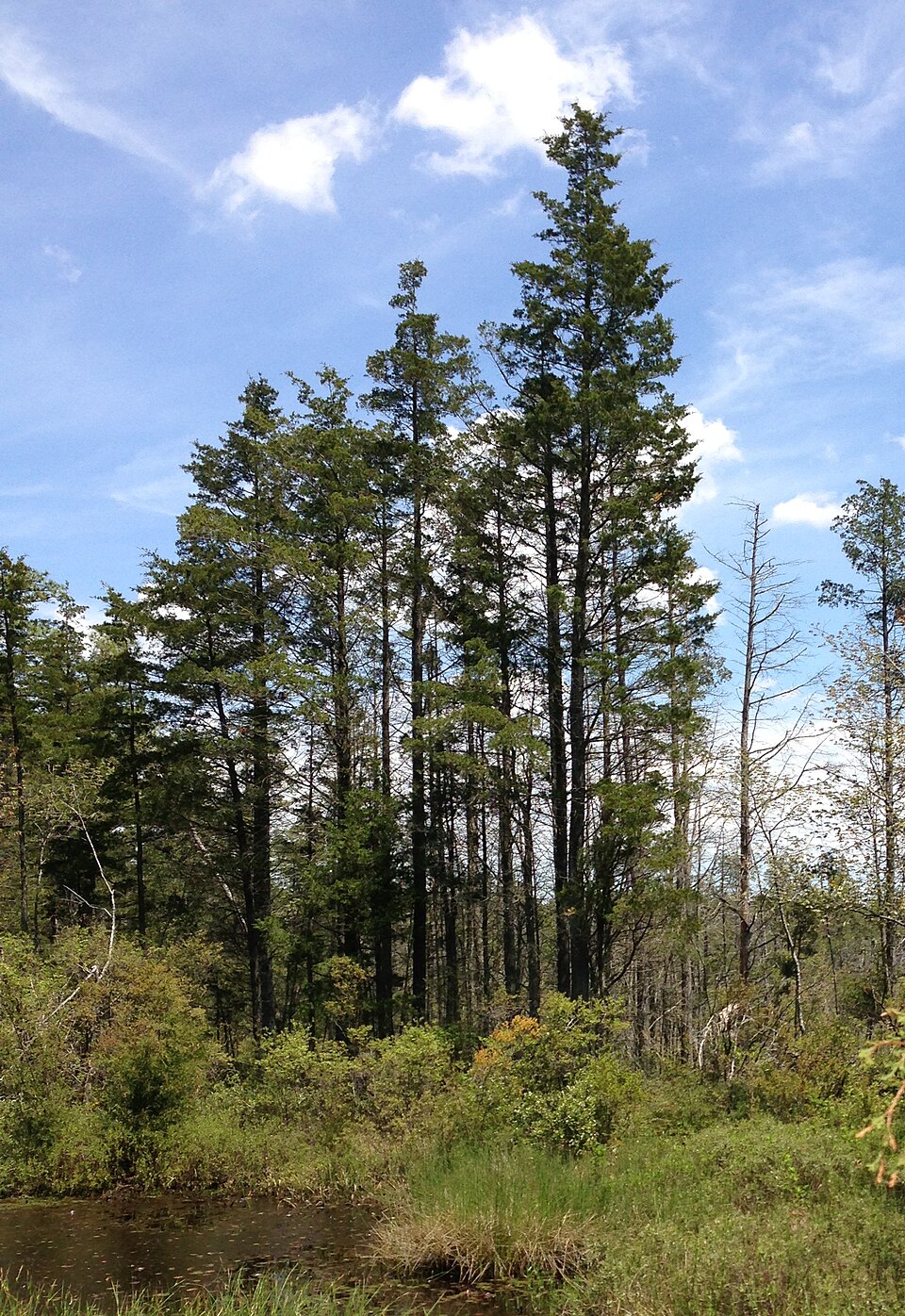
Related species in Cupressaceae
Tree Nerd Academy
Ready to sit the ISA Certified Arborist exam?
Video curriculum, flashcards, and exam-sim built by working arborists.