
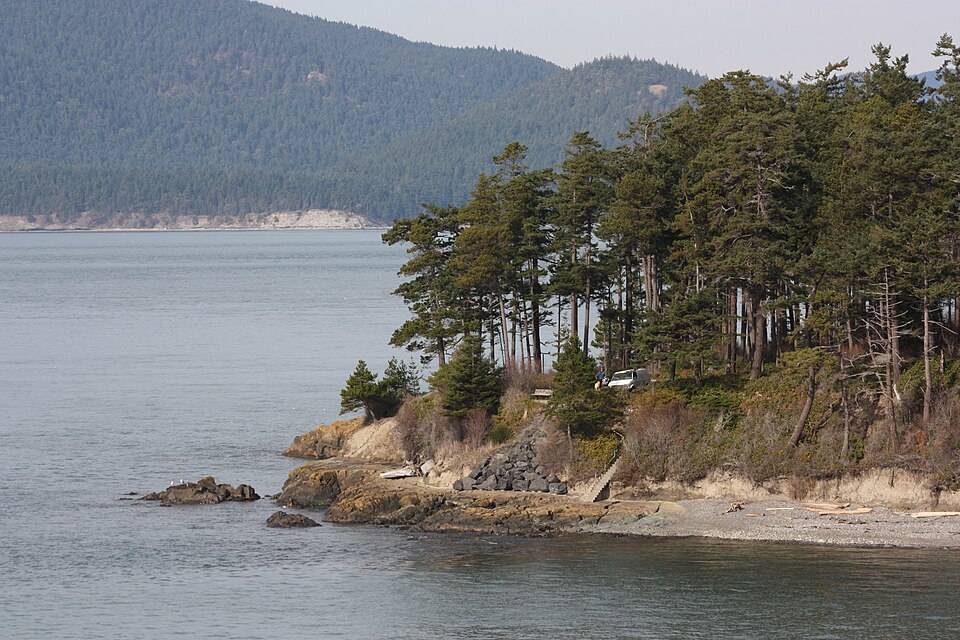
Douglas-fir
Pseudotsuga menziesii
Not a true fir, this towering Pacific Northwest conifer is the continent's most important structural timber species. Recognized by its distinctive three-pointed 'mouse-tail' bracts on the cones and thick, corky, fire-resistant bark on old trees. Grows fast and very tall on good sites.
Field reference
Family
Pinaceae
Growth rate
Fast
Mature size
70–120 ft tall, 20–35 ft spread
Hardiness zone
4–6
Soil preference
Deep, moist, well-drained, slightly acidic soils
Sun
Full sun
Pruning window
Late winter to early spring (dormant)
Wood properties
Strong, stiff, dense softwood (~0.48 SG) — the dominant structural framing lumber of North America. Excellent strength-to-weight; tall straight spars rig predictably.
Native range
Western North America, coastal British Columbia to California and the Rockies
Green weight
38 lb/ft³
Pests & diseases to watch
Common questions
Is Douglas-fir a true fir?
No — the hyphen signals it is its own genus, Pseudotsuga. The papery three-pronged bracts sticking out of the cones are a quick way to separate it from true firs and spruces.
How tall will a Douglas-fir get in a yard?
On favorable sites it readily tops 70–100 feet, so give it plenty of vertical and horizontal room and keep it clear of overhead utilities.
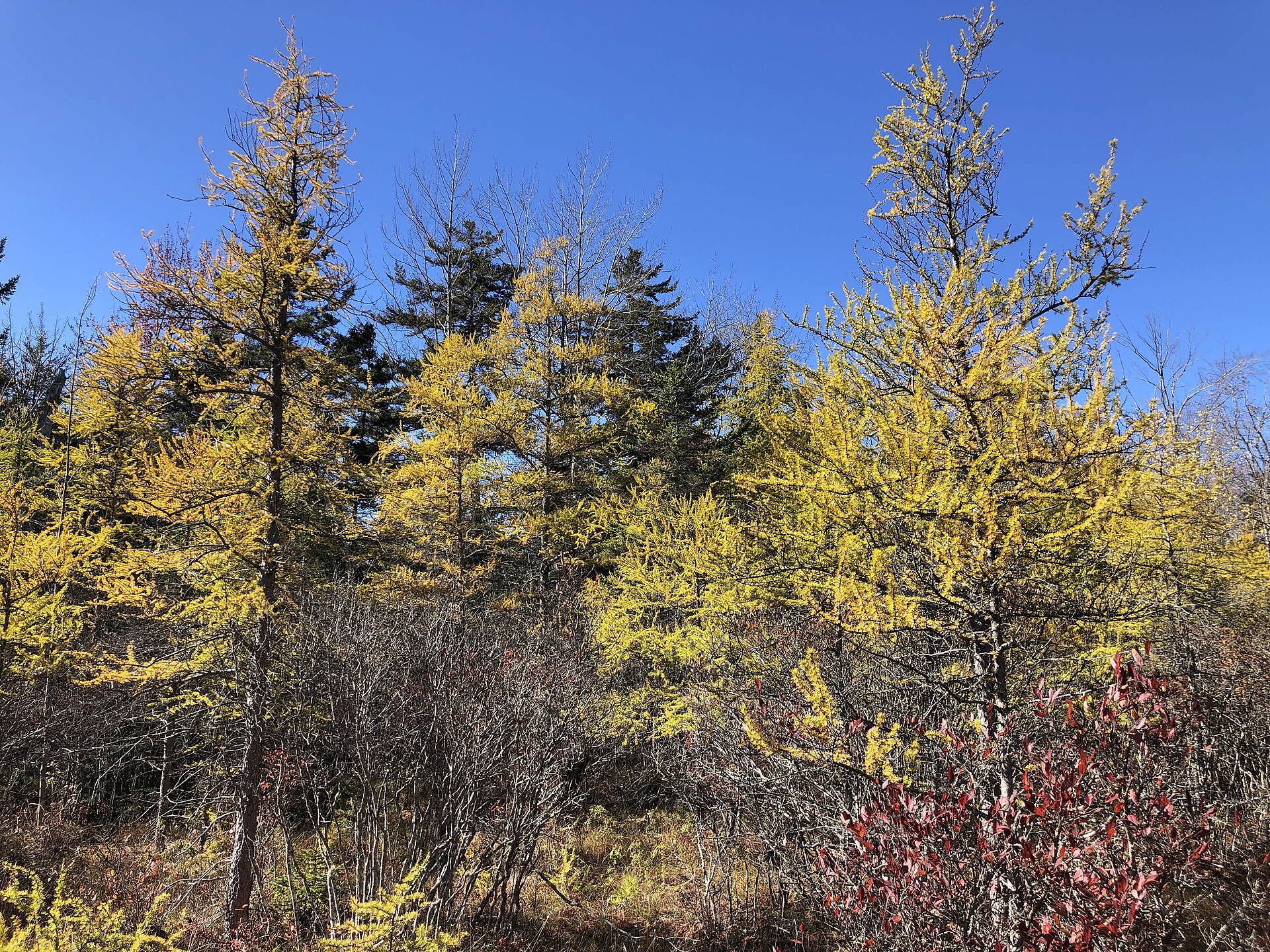
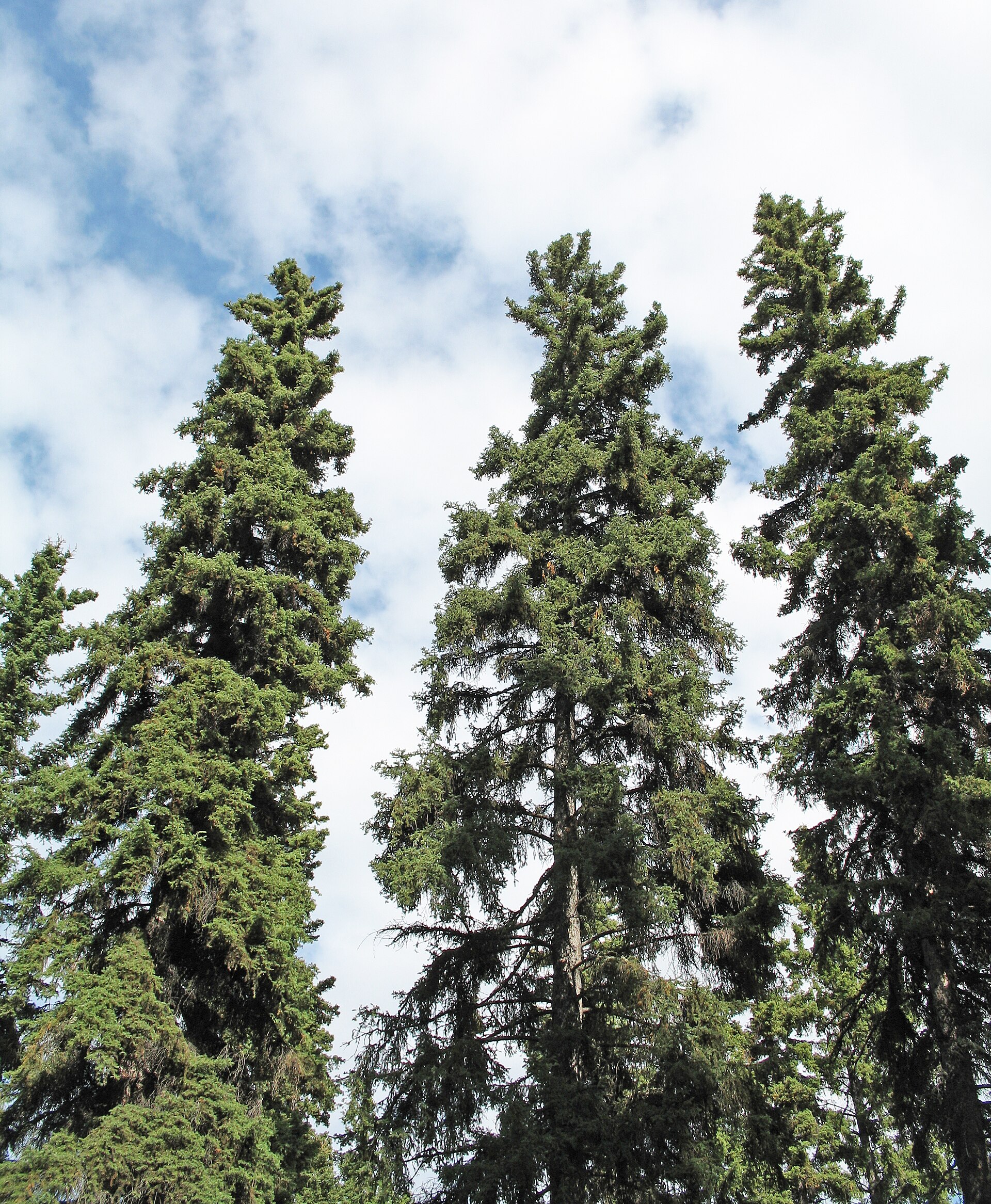
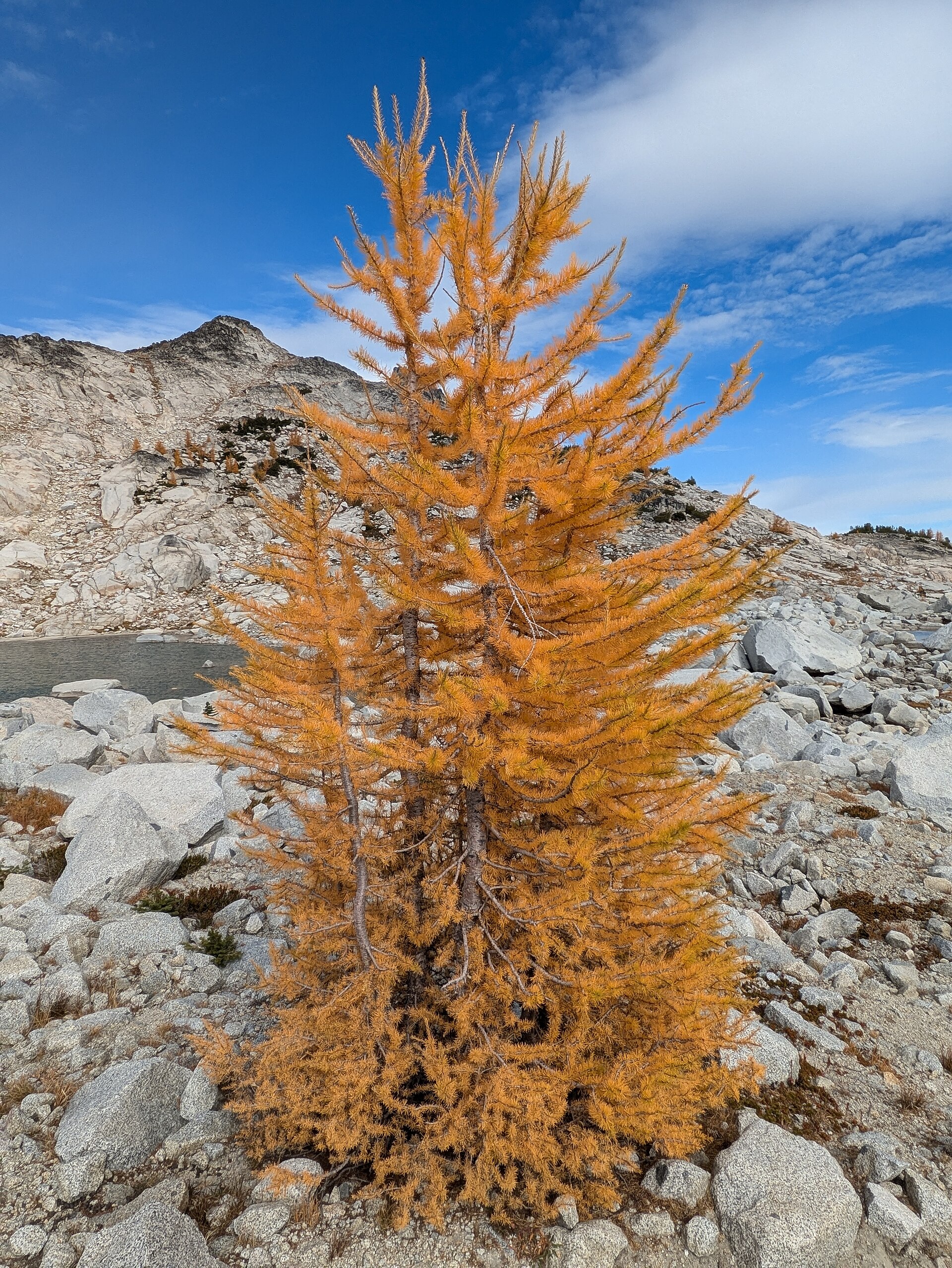
Related species in Pinaceae
Tree Nerd Academy
Ready to sit the ISA Certified Arborist exam?
Video curriculum, flashcards, and exam-sim built by working arborists.